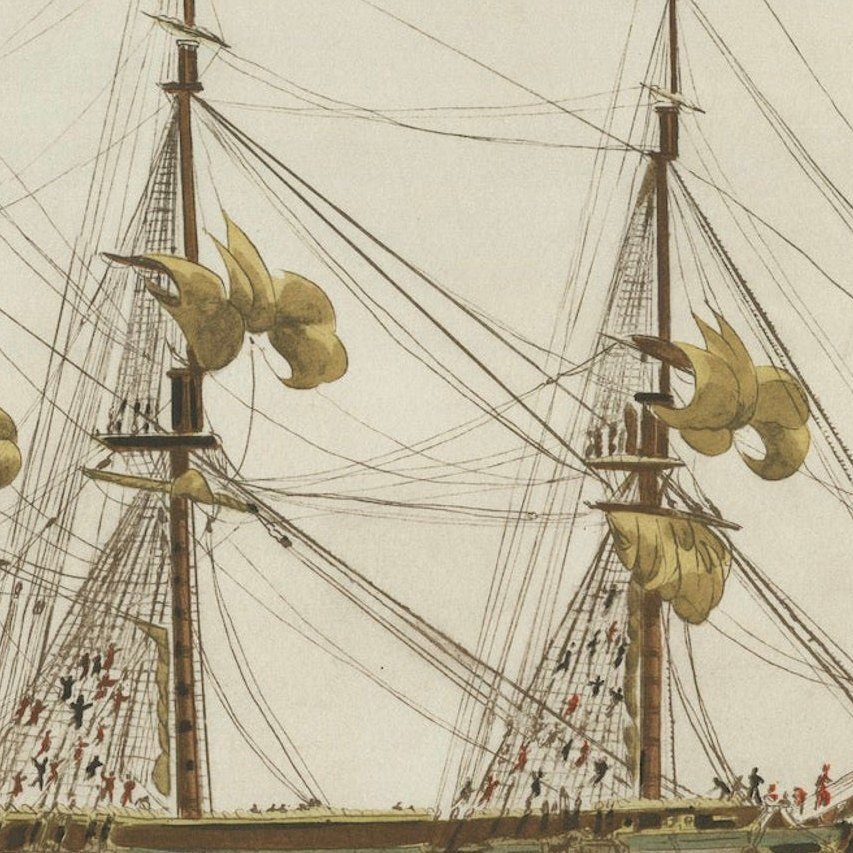
Close-ups
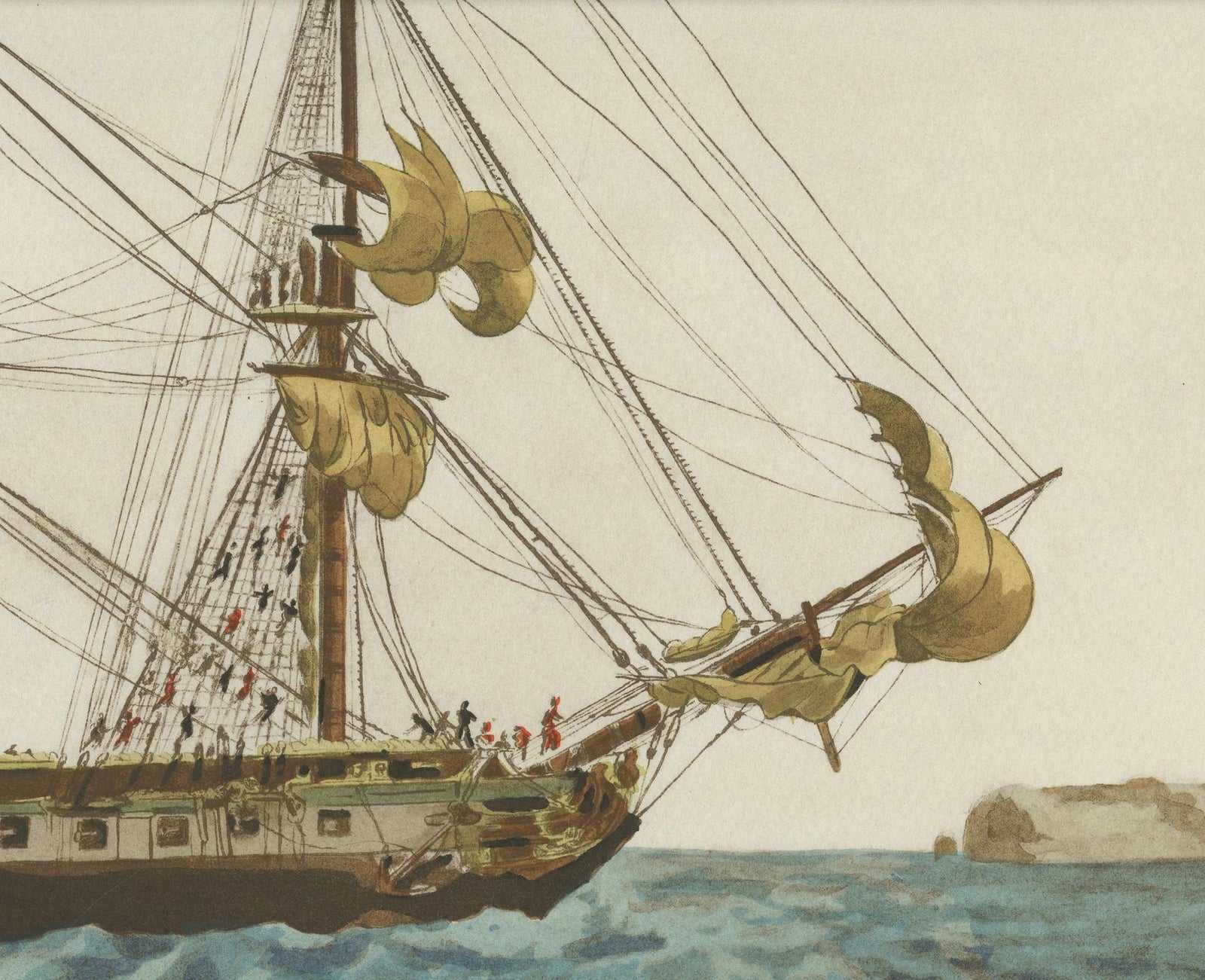
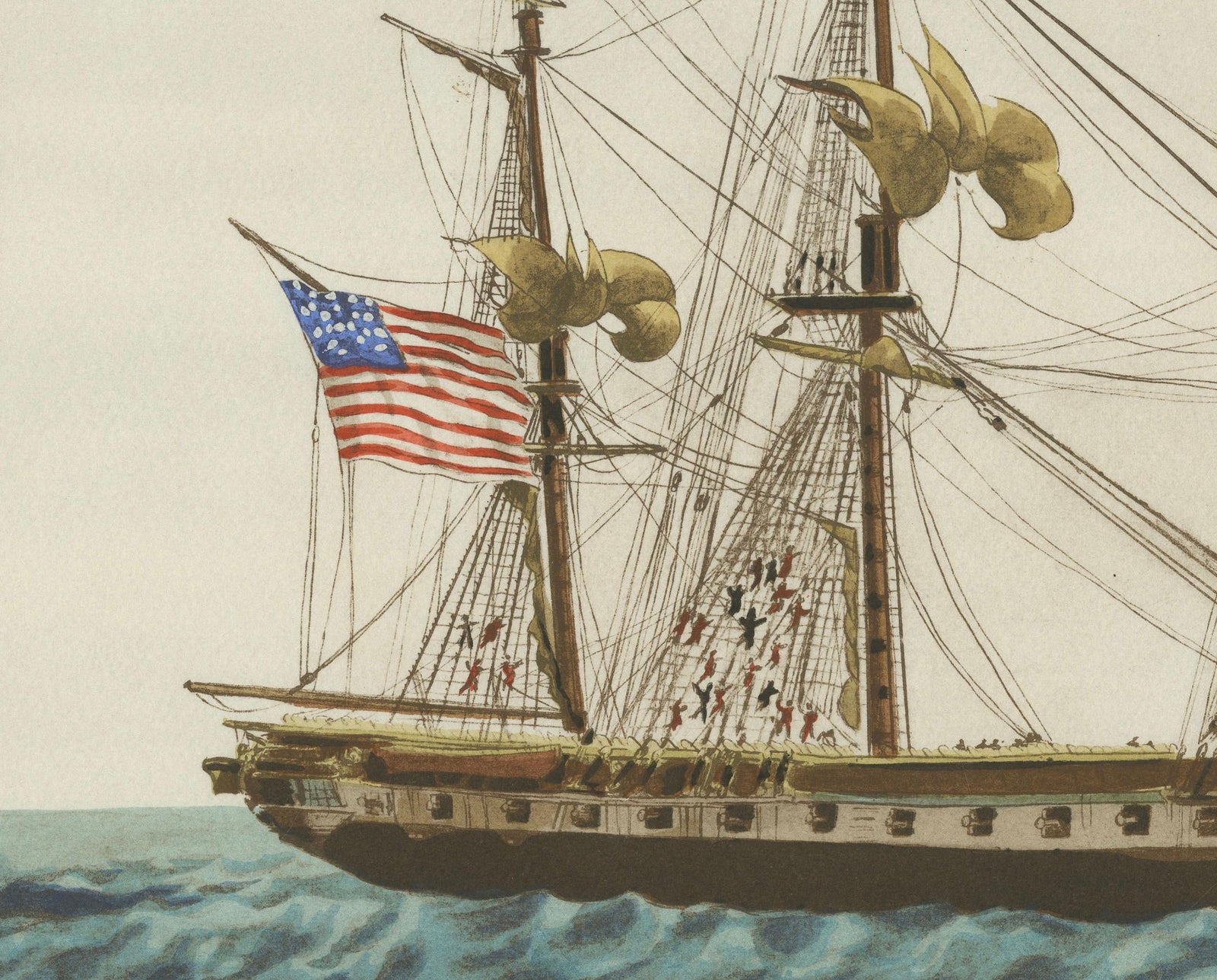
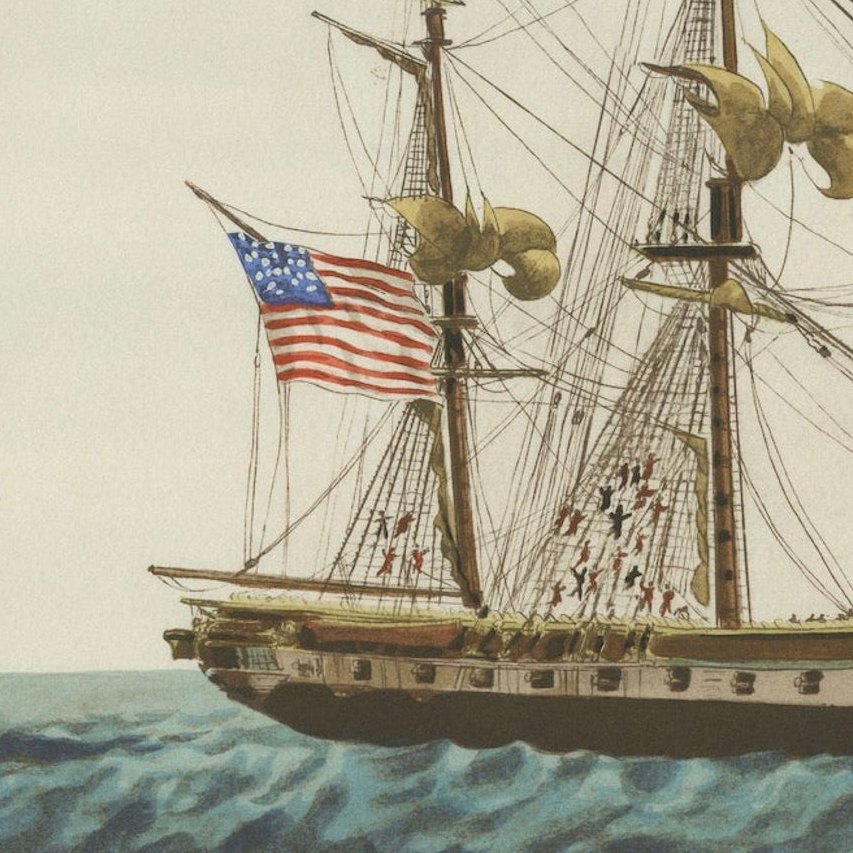
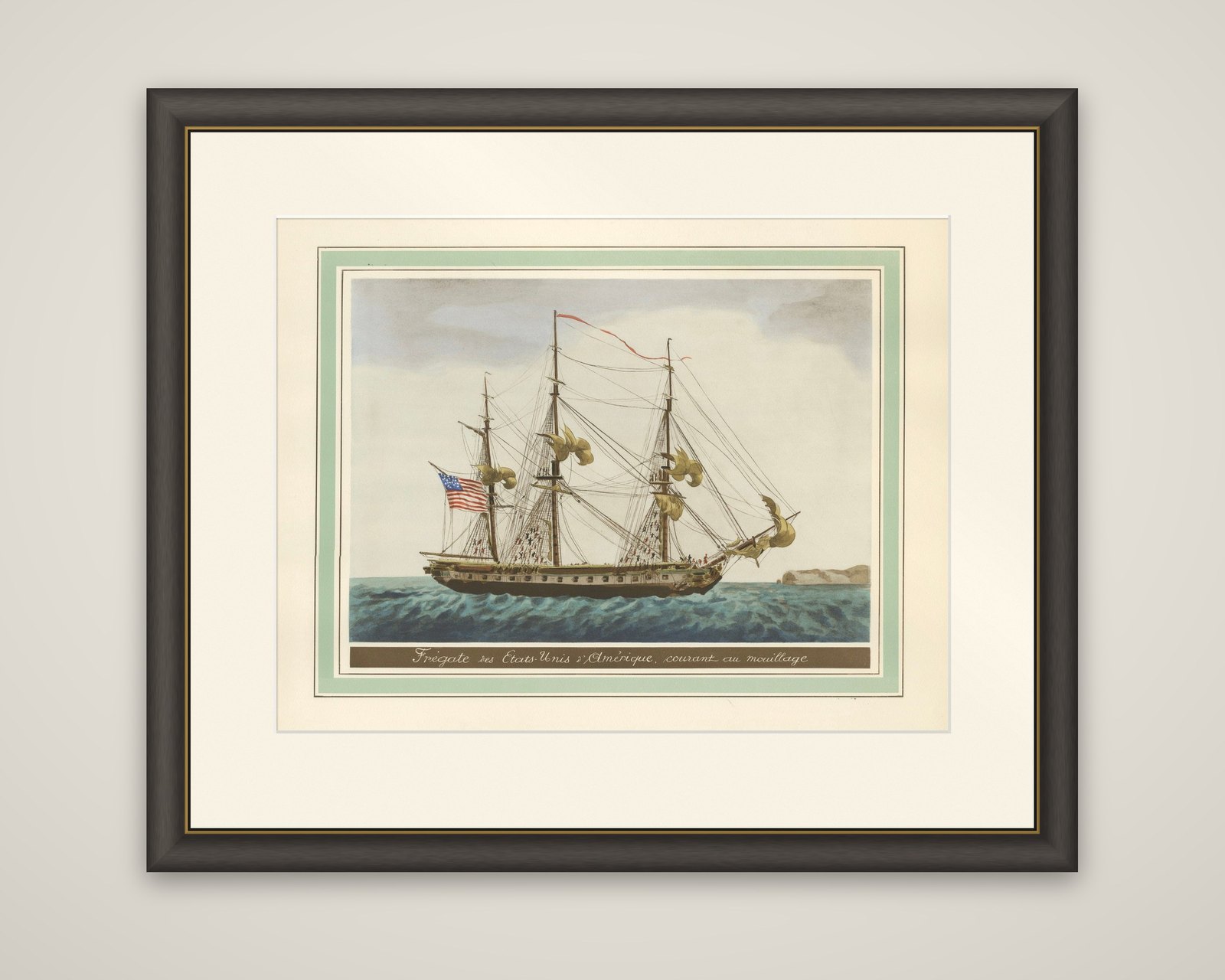
Framed and on the wall
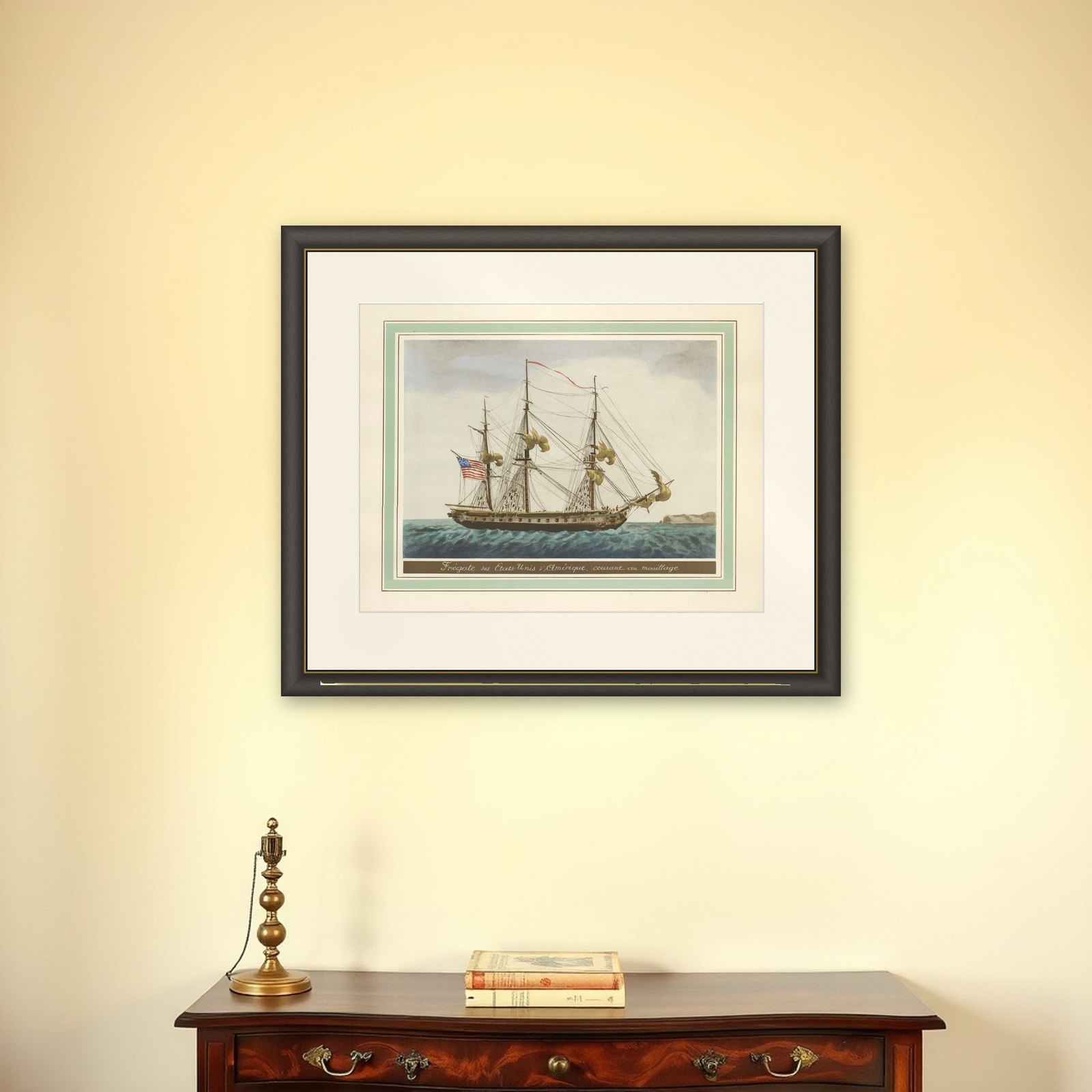
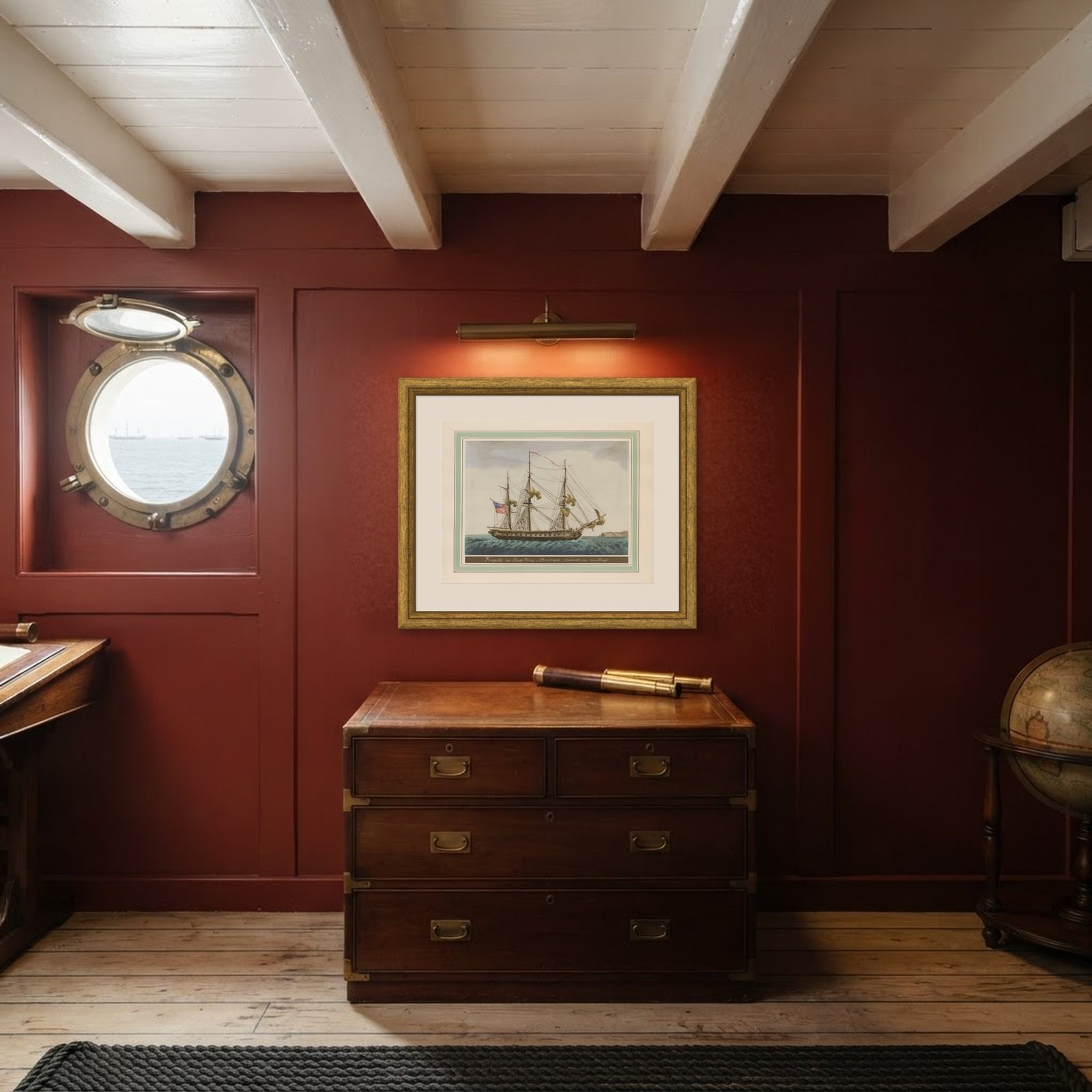
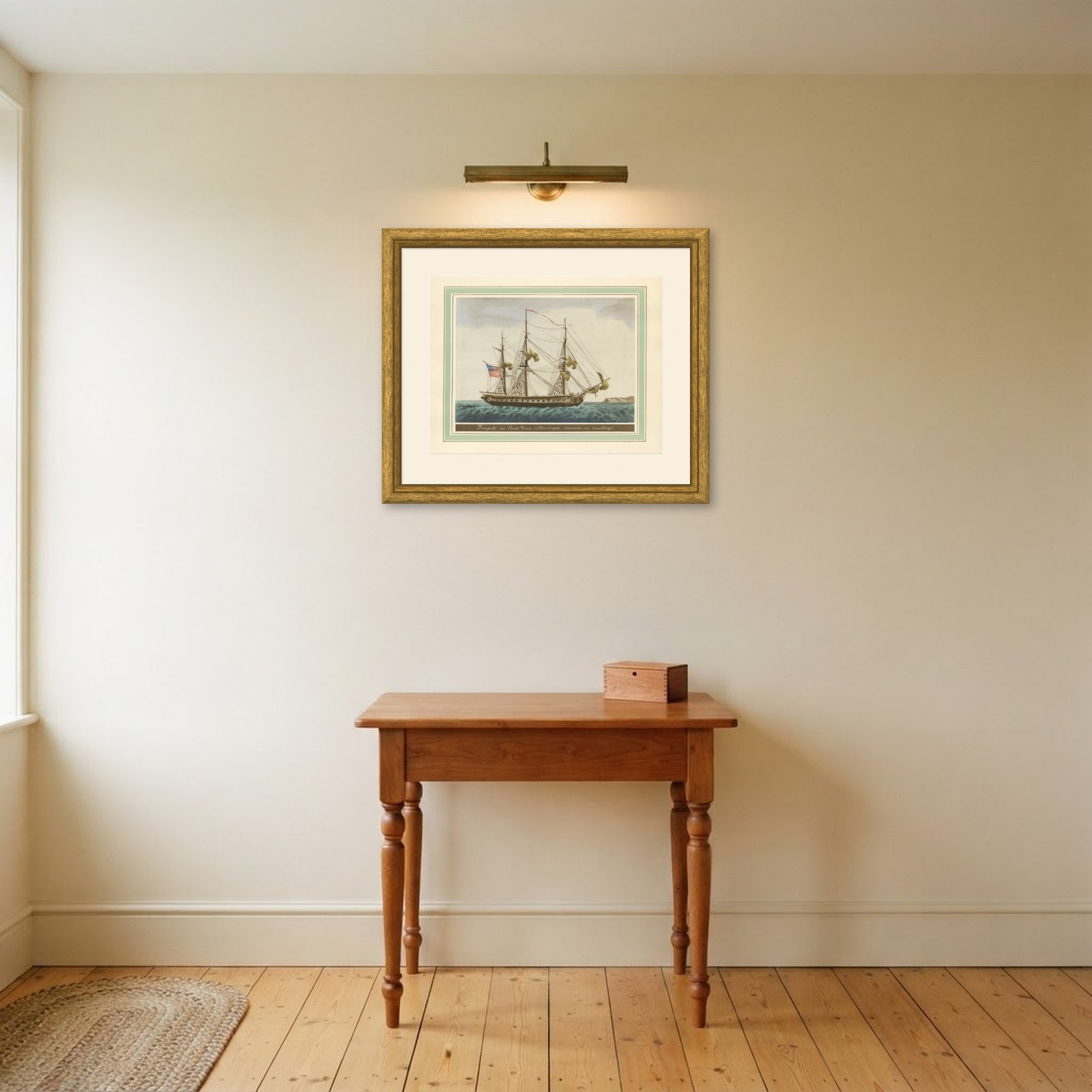
Frame and rooms are illustrations of how the piece could look; it is sold unframed unless the description says otherwise.
Approaching Safe Harbor: The American Frigate's Return, circa 1920
$1,320$1,05520% off
€960 · £805
Original print, not a reproduction.
Ships worldwide from the Netherlands, flat or rolled, insured and tracked. 14-day returns.
- Date
- 1920
- Sheet size
- 18.5 × 23.2 in (47 × 59 cm)
- Condition
- Excellent. Excellent. No soiling or foxing or other damage. Study the images carefully.
- Collection
- Ships & sea battles
- Era
- 1850 and after, Steam and steel
- Stock no.
- BG-13719-3
What the condition grades mean
- Excellent
- Bright and clean, with no faults worth mentioning.
- Very good
- Only light signs of age, such as faint toning.
- Good
- Normal signs of age for a sheet of this period: toning, some foxing, small marks or neat old repairs.
- Fair
- Clear faults such as staining, tears or repairs, priced to match.
Every fault we see is written in the condition note, and the whole sheet is shown uncropped in the photos.
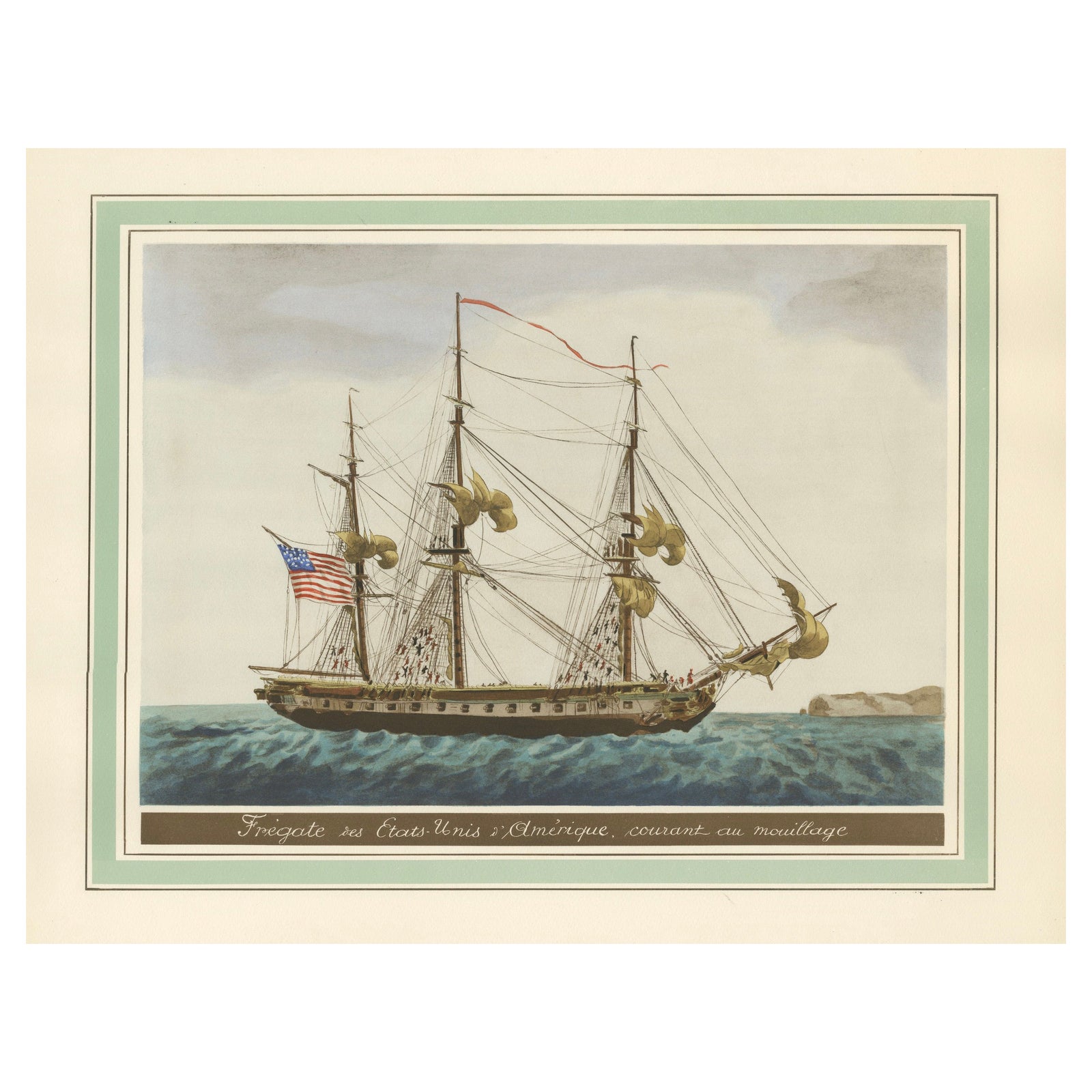
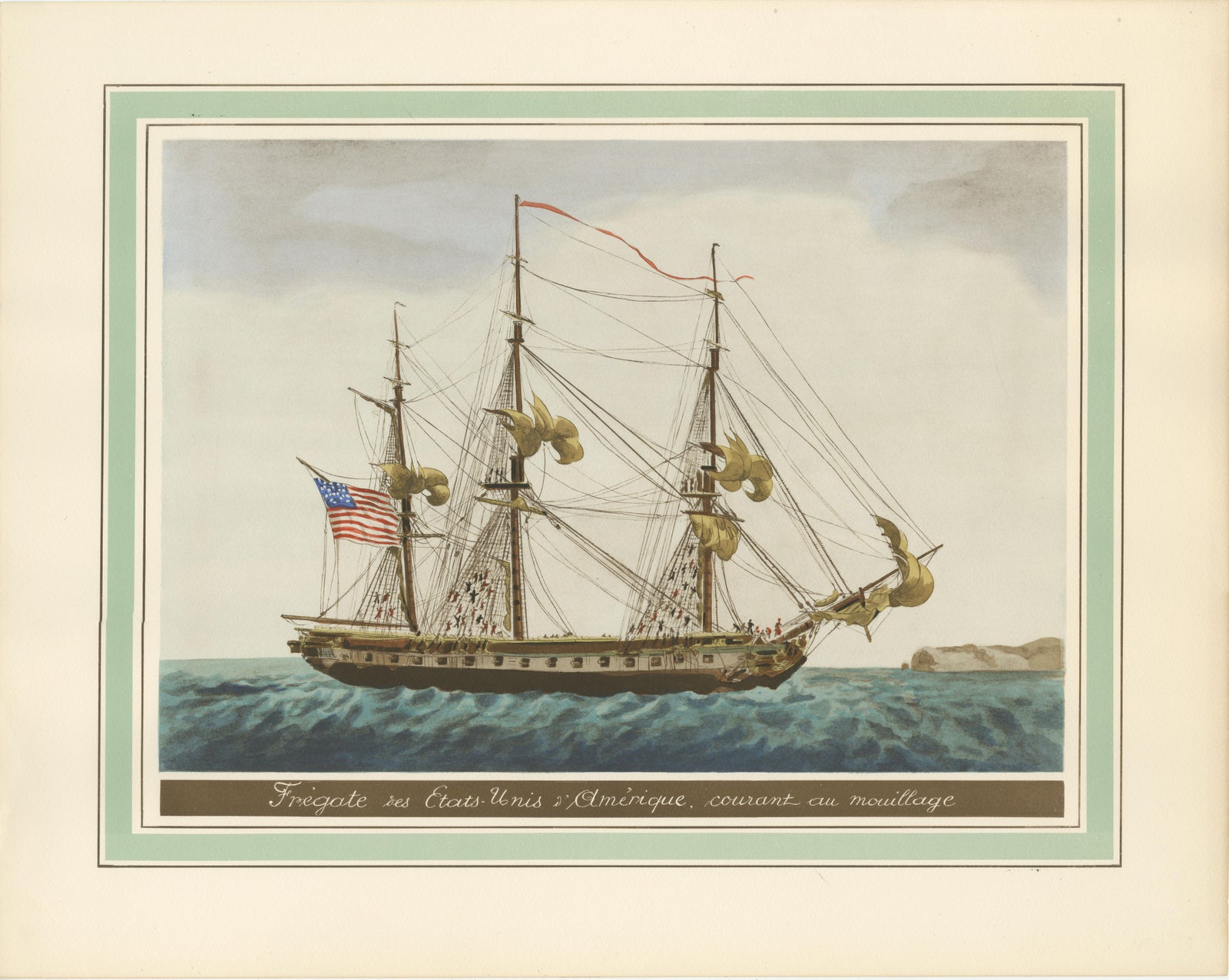
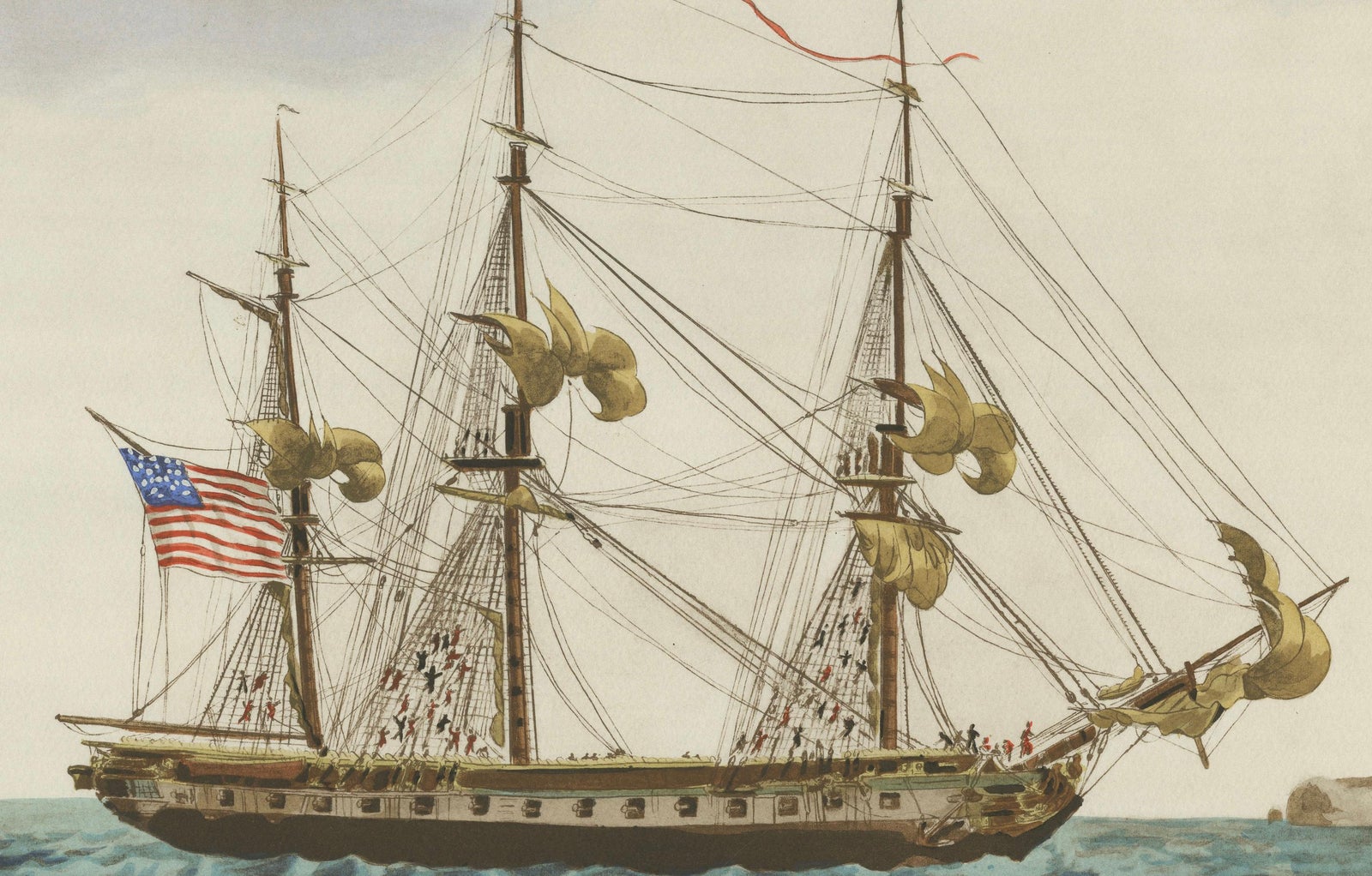
A United States frigate under way toward her anchorage, a heliotype with hand coloring made around 1920 after the French maritime artist Jean-Jérôme Baugean. The caption printed in a brown band beneath the image reads "Frégate des États-Unis d'Amérique, courant au mouillage", meaning frigate of the United States of America running to her anchorage.
The ship is seen broadside to the left, sailing over a choppy blue-green sea under a pale, cloud-streaked sky. The stars and stripes flies from the stern, a long red pennant streams from the main masthead, and the sails are loosely furled in warm yellow tones. Rows of gunports run along the hull, and a rocky headland sits at the right horizon. The picture is set within a printed green border, with a second thin rule outside it.
Baugean worked in the early nineteenth century and was known for accurate portraits of ships of many navies, which makes this sheet a record of how an American warship of the period looked to French eyes.
EXPLORE