Close-ups
Framed and on the wall
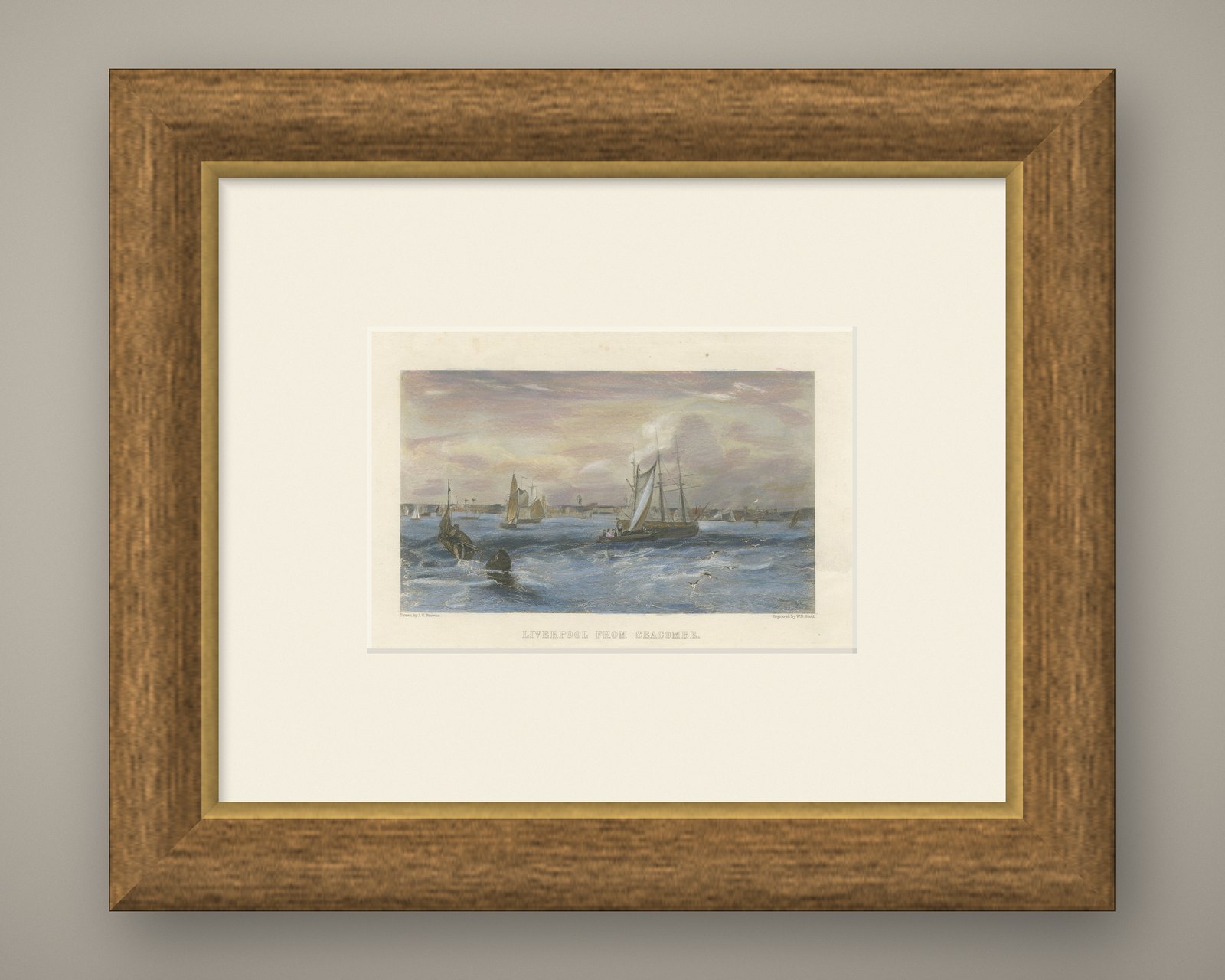
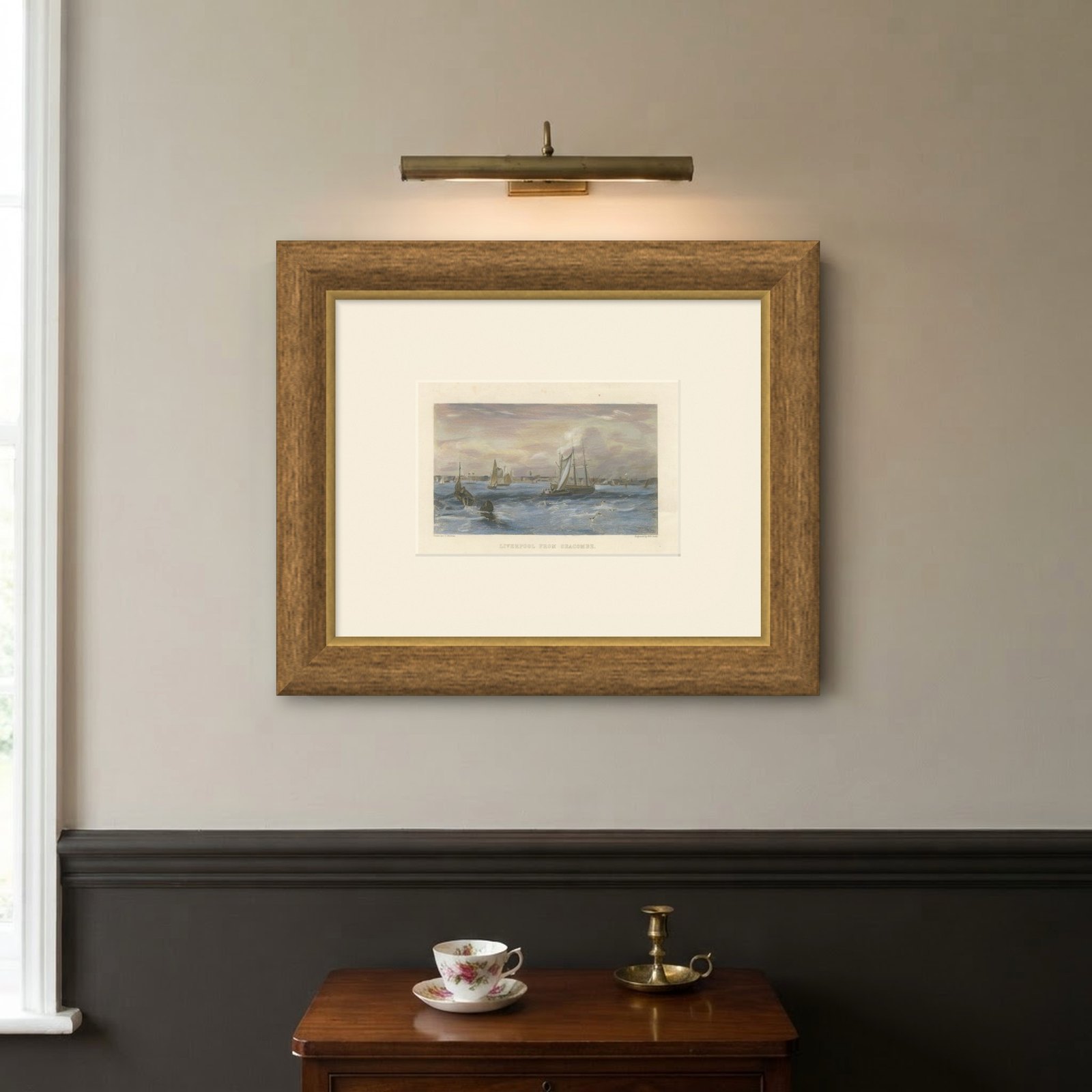
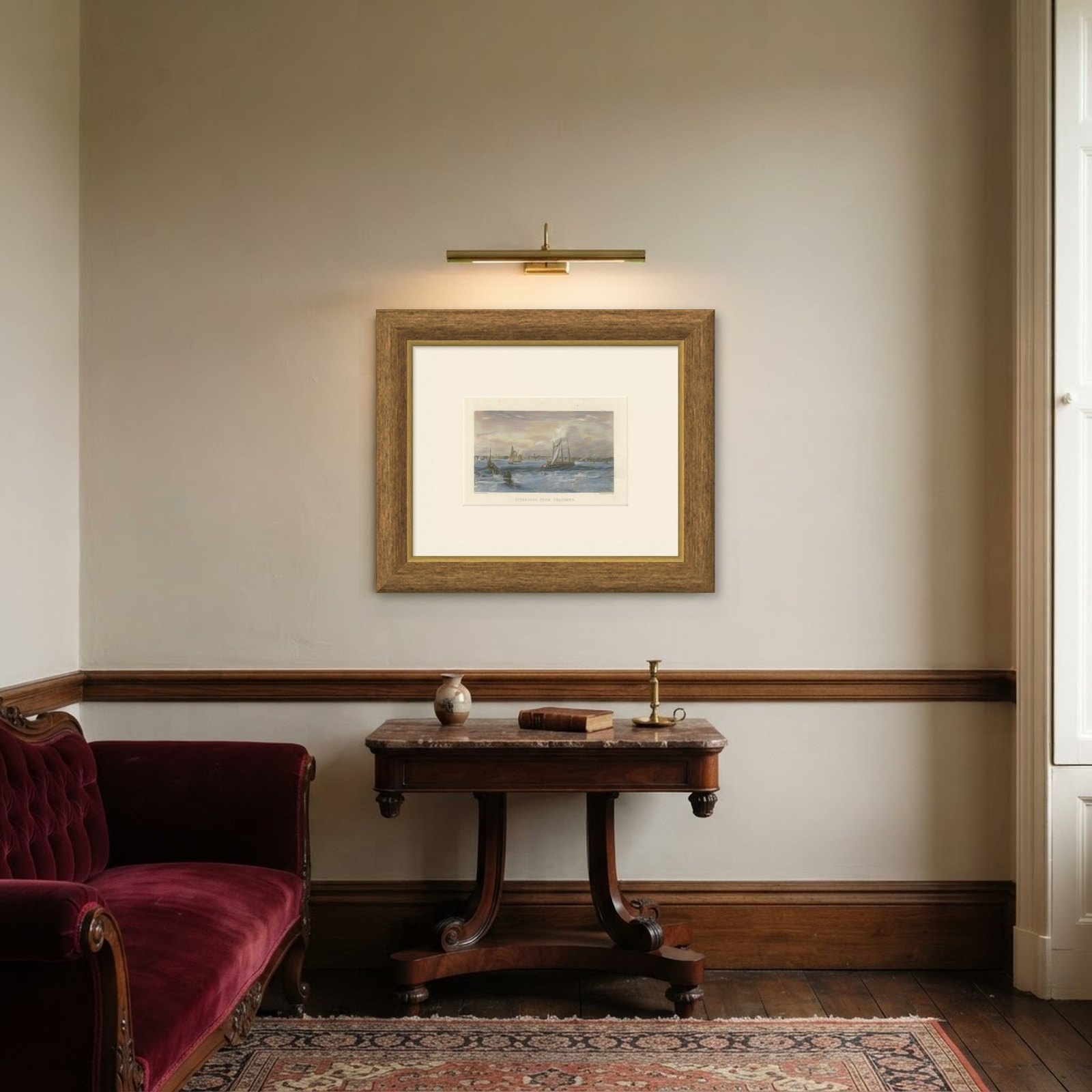
Frame and rooms are illustrations of how the piece could look; it is sold unframed unless the description says otherwise.
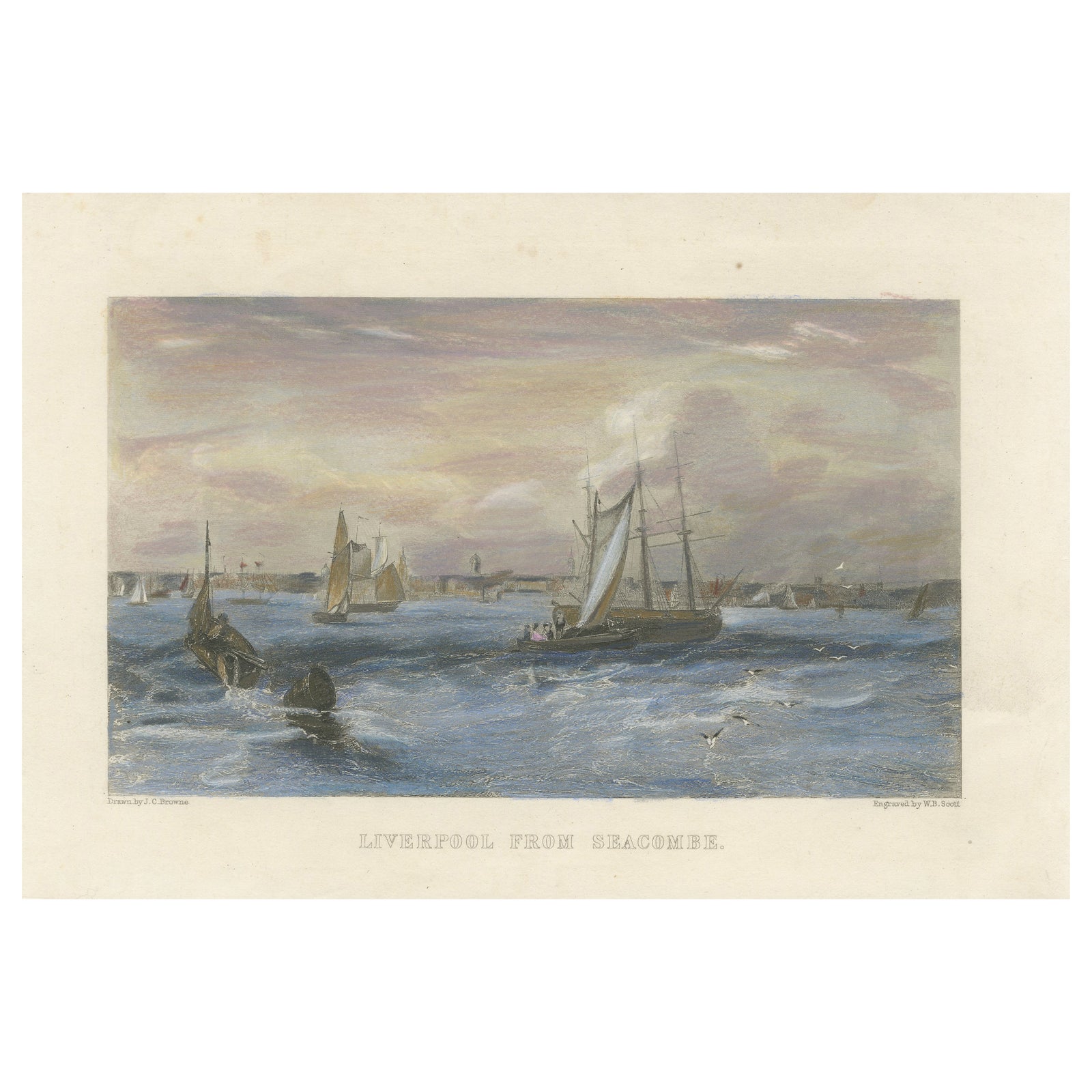
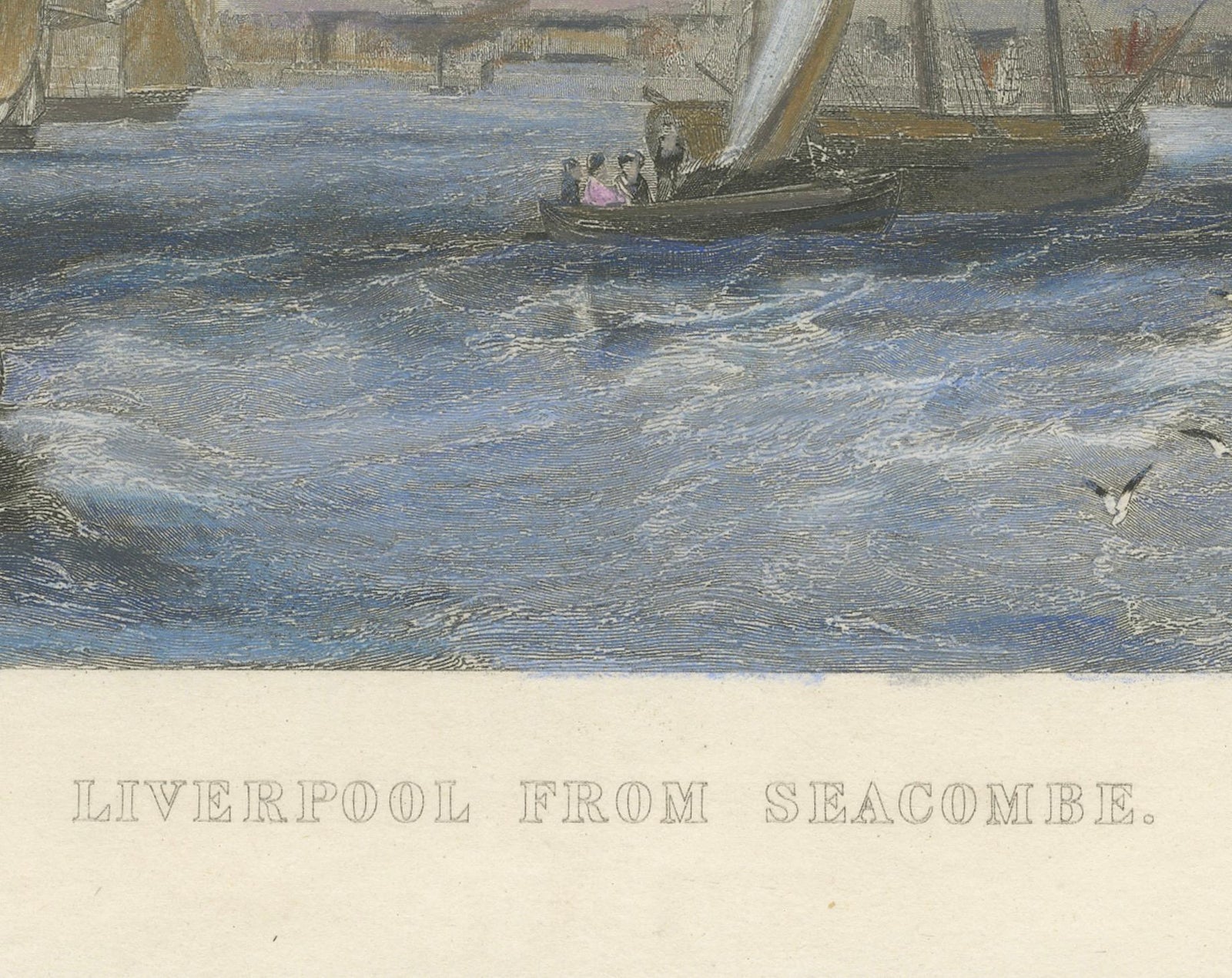
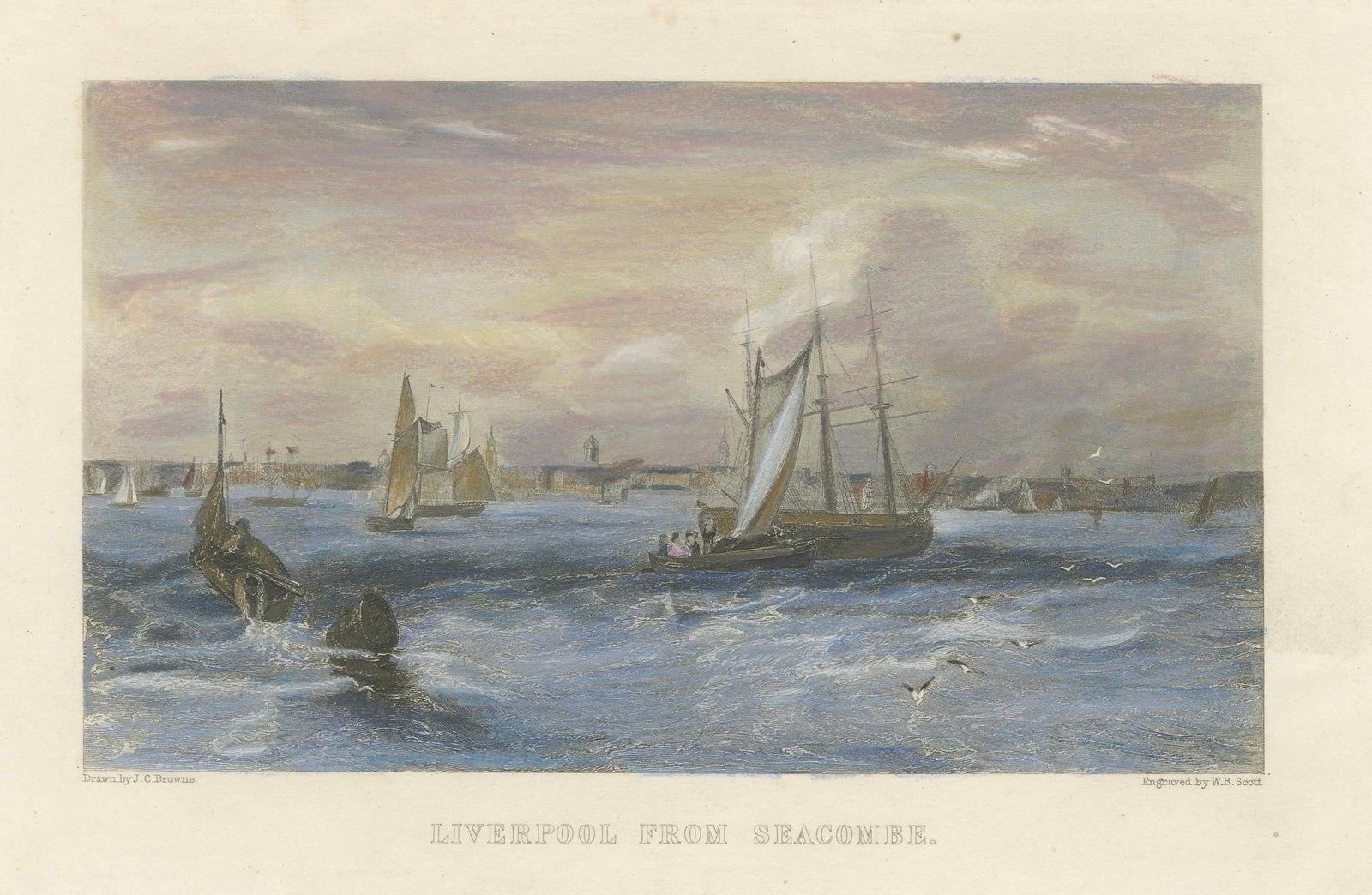
Liverpool from Seacombe, 19th-Century Maritime Engraving by W.B. Scott
$145
€130 · £110
Original print, not a reproduction.
Ships worldwide from the Netherlands, flat, insured and tracked. 14-day returns.
- Date
- Not stated
- Sheet size
- 5.9 × 8.7 in (15 × 22 cm)
- Condition
- Good. Good condition for its age, with strong color retention in the hand-applied coloring. The engraving itself is well-preserved, with crisp lines and clear detailing in both the ships and the background architecture. The paper has some mild toning.
- Collection
- Harbours & ports
- Stock no.
- f_43906812
Liverpool from Seacombe, 19th-Century Maritime Engraving by W.B. Scott after J.C. Browne
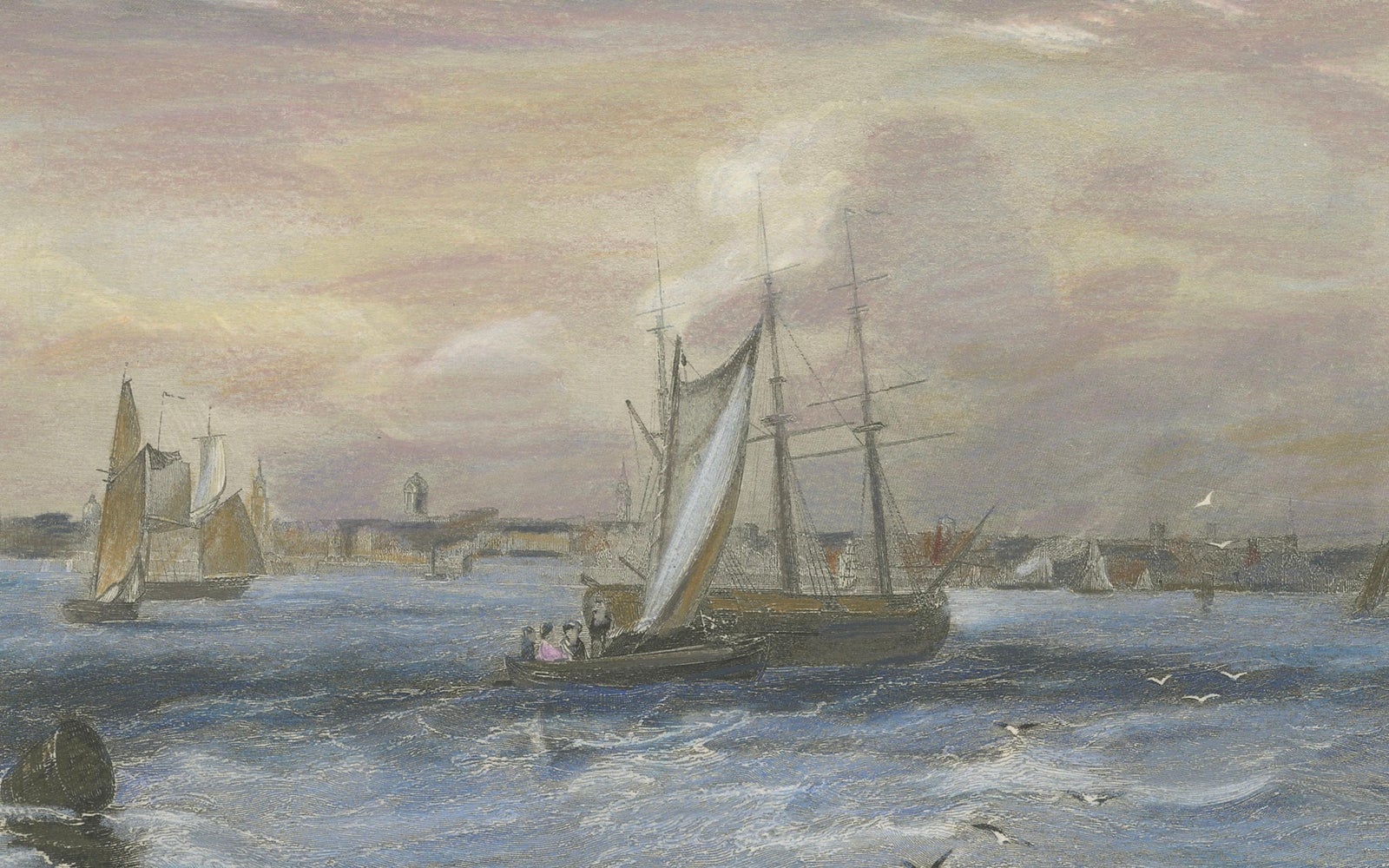
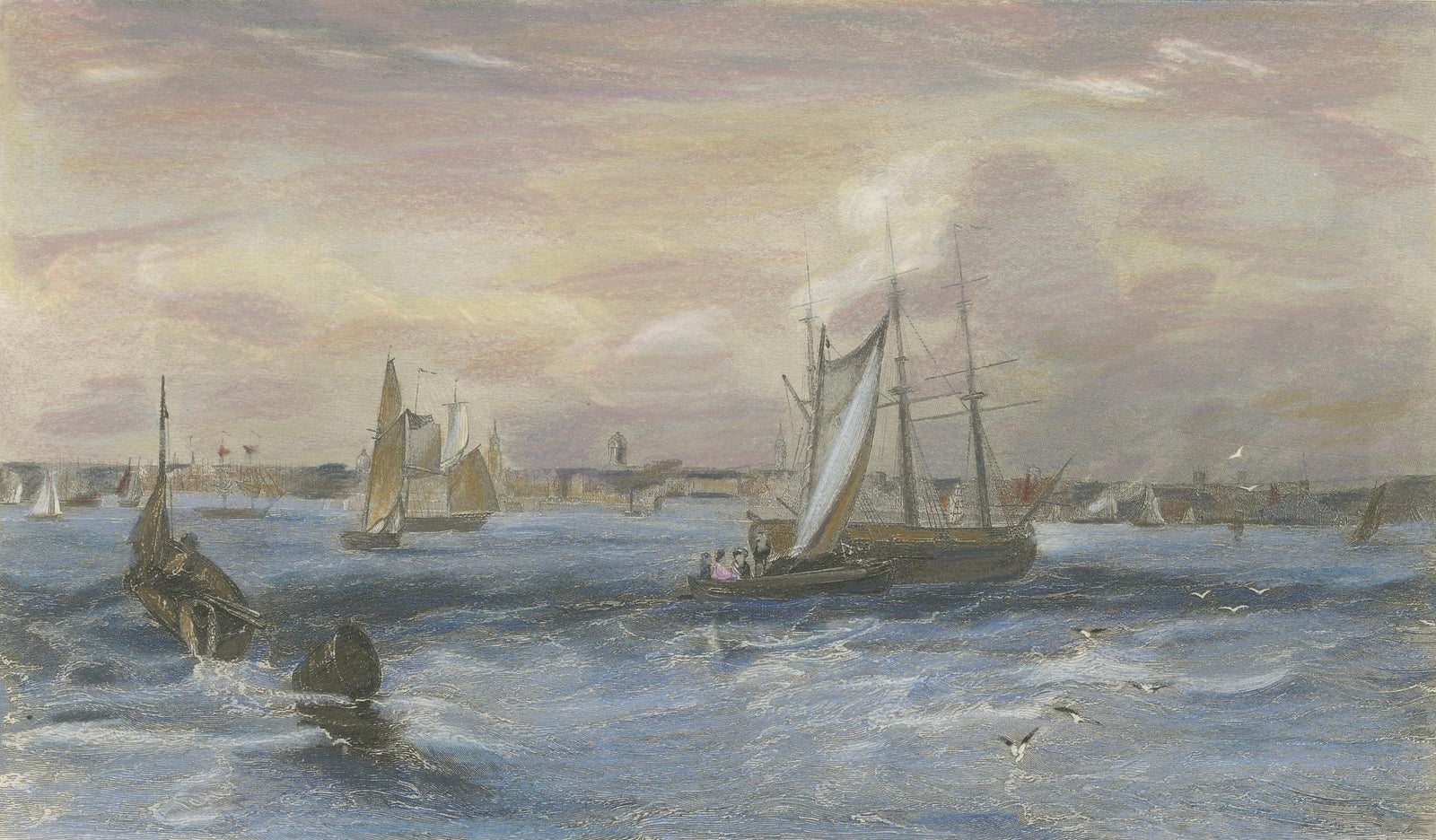
This finely detailed 19th-century hand-colored engraving titled 'Liverpool from Seacombe' captures a striking maritime scene of Liverpool as viewed from Seacombe, a location on the opposite side of the River Mersey. The image was drawn by J.C. Browne and engraved by W.B. Scott, both of whom contributed to a variety of topographical and maritime prints during the 19th century.
The engraving presents a lively harbor view, depicting sailing vessels navigating choppy waters under a dramatic sky. A variety of ships, from small fishing boats to large merchant vessels, are shown, emphasizing Liverpool’s importance as a major trading port. The bustling maritime activity is complemented by a beautifully rendered skyline in the distance, where the emerging industrial cityscape of Liverpool can be seen. The choice of warm and cool tones in the sky suggests either sunrise or sunset, adding to the atmospheric quality of the piece.
During the 19th century, Liverpool was one of the busiest ports in the world, playing a key role in global trade and commerce. This engraving captures not just the city’s maritime heritage but also the dynamism of its waterfront, which was a hub of shipbuilding, import/export activity, and international connections. The perspective from Seacombe, located in what is now the Wirral, allows for a panoramic view of the Mersey River, reinforcing the significance of the waterway to Liverpool’s economic growth.
Condition of the Print
The print is in good condition for its age, with strong color retention in the hand-applied coloring. The engraving itself is well-preserved, with crisp lines and clear detailing in both the ships and the background architecture. The paper has some mild toning and a few minor foxing spots, but nothing that detracts from the overall visual appeal. The margins remain wide and intact, which is ideal for framing.
Framing Recommendations
To enhance the presentation of this historical maritime engraving, consider using an acid-free archival mat in off-white or light gray to complement the aged tones of the paper. A dark wood or mahogany frame with a subtle gilded edge would highlight the engraving’s 19th-century character. For those who prefer a more contemporary display, floating the print within a shadow box frame can create an elegant effect, emphasizing the engraving’s texture and authenticity.
This engraving is a wonderful representation of Liverpool’s maritime heritage, making it a valuable addition to collections focused on historical ports, maritime art, or 19th-century topographical engravings. Whether displayed in a home, office, or gallery, it serves as a captivating reminder of Liverpool’s rich naval and commercial history.
EXPLORE