Close-ups
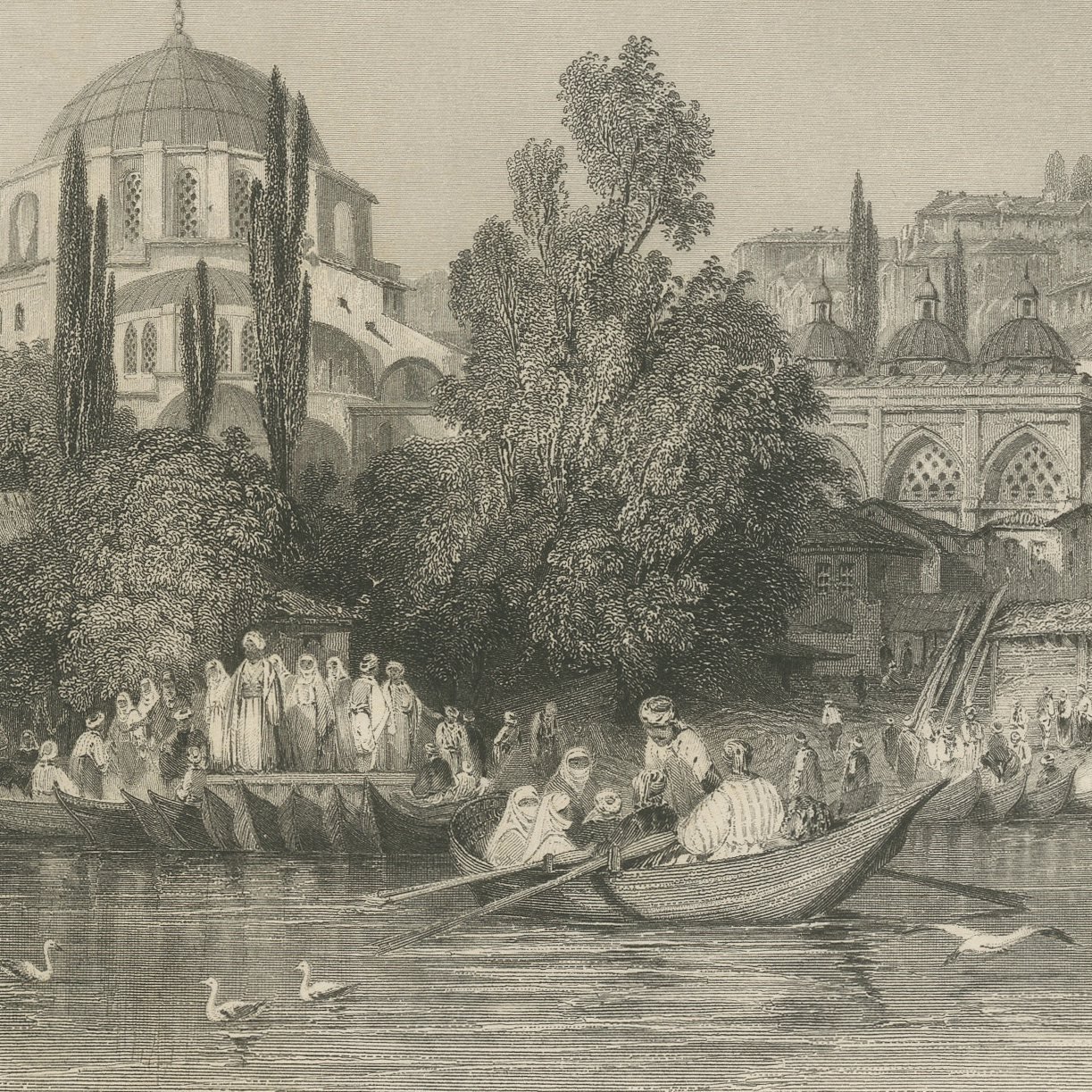
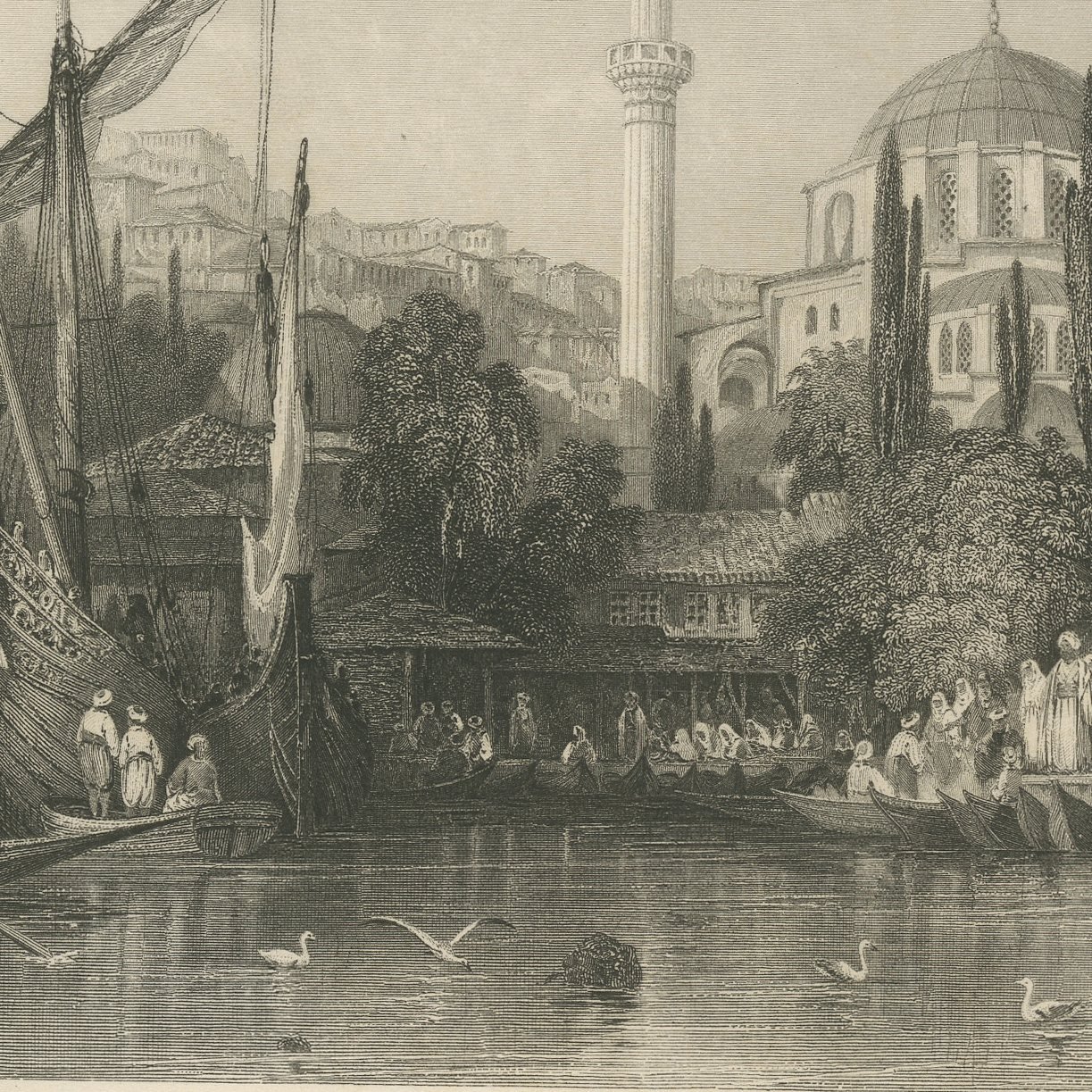
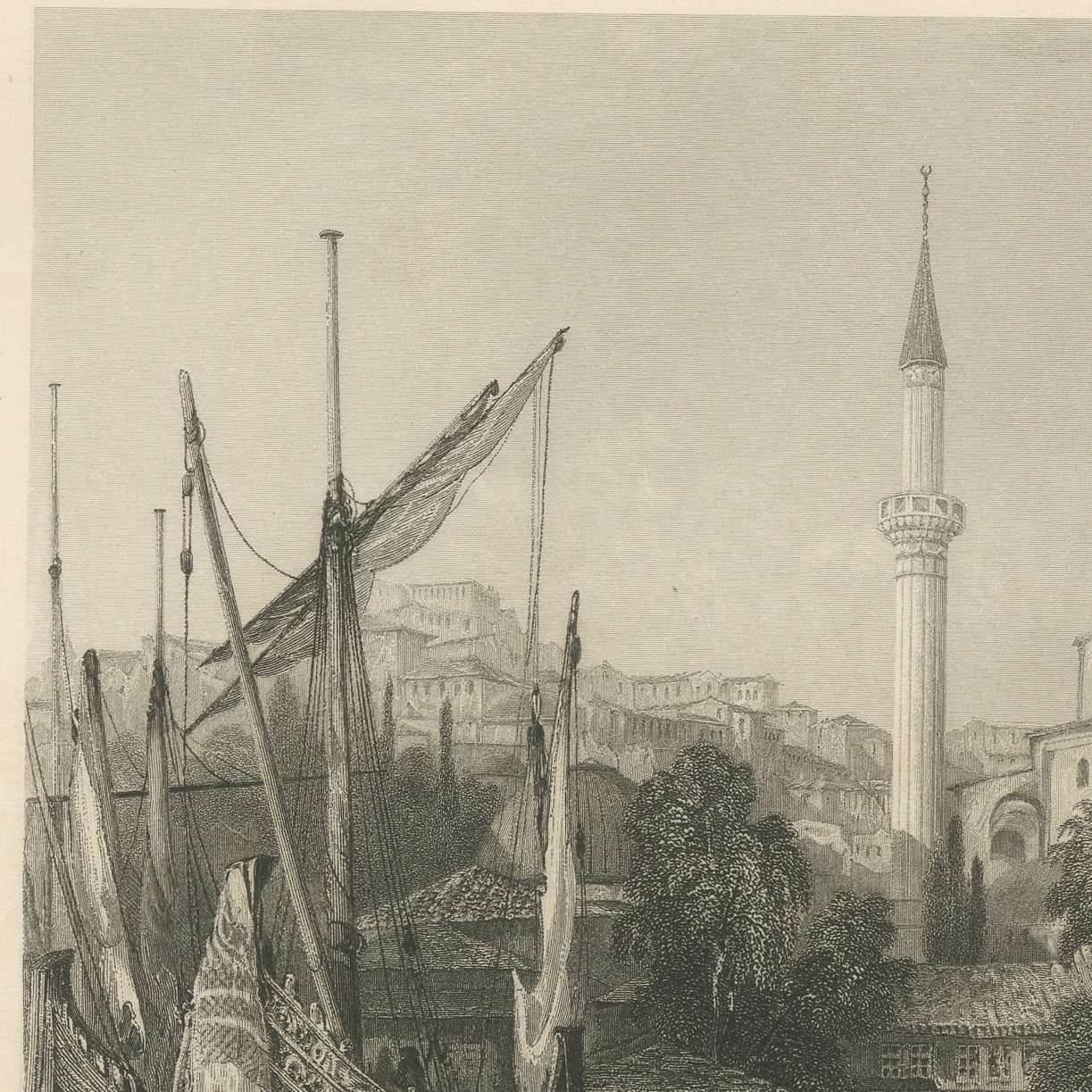
Framed and on the wall
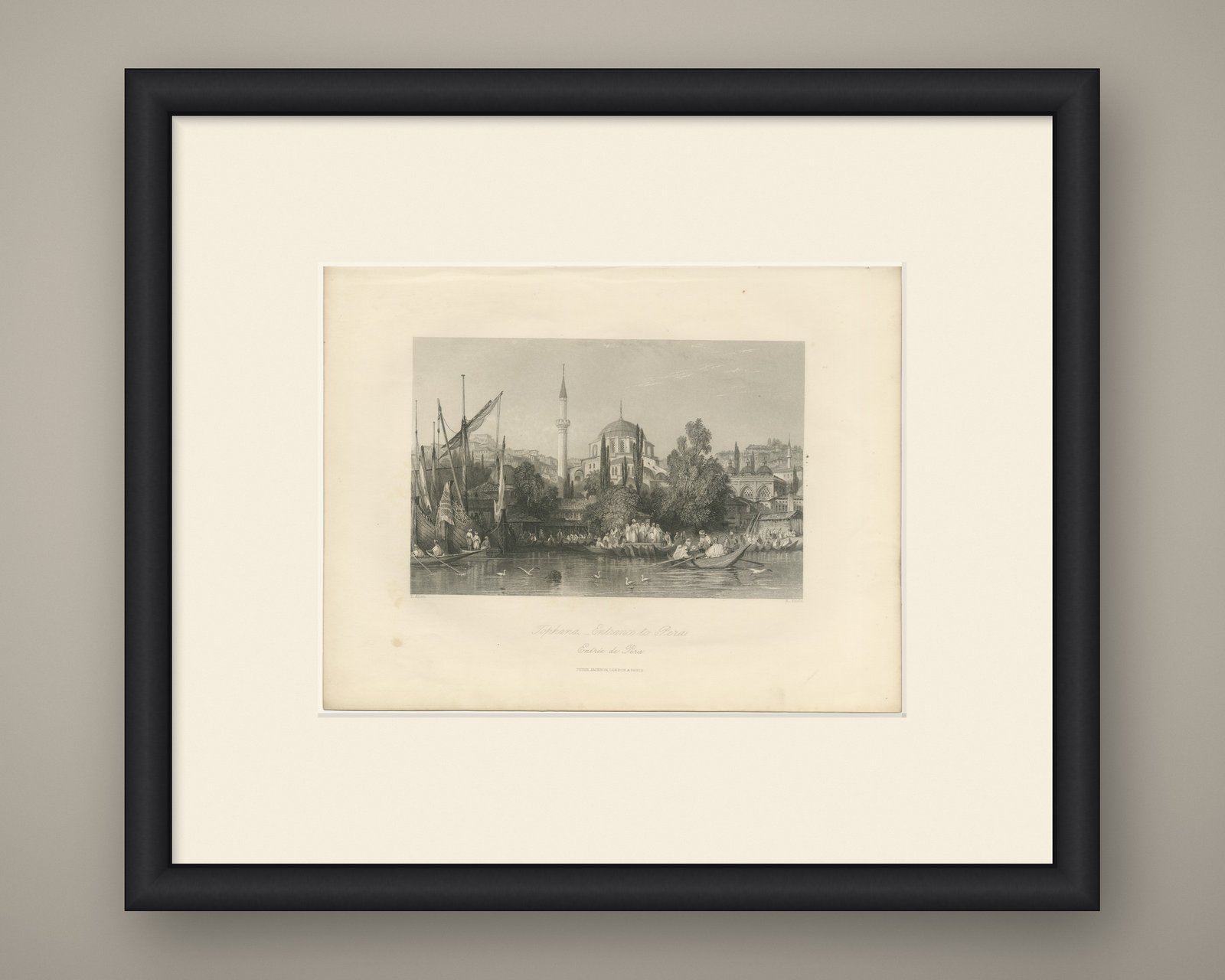
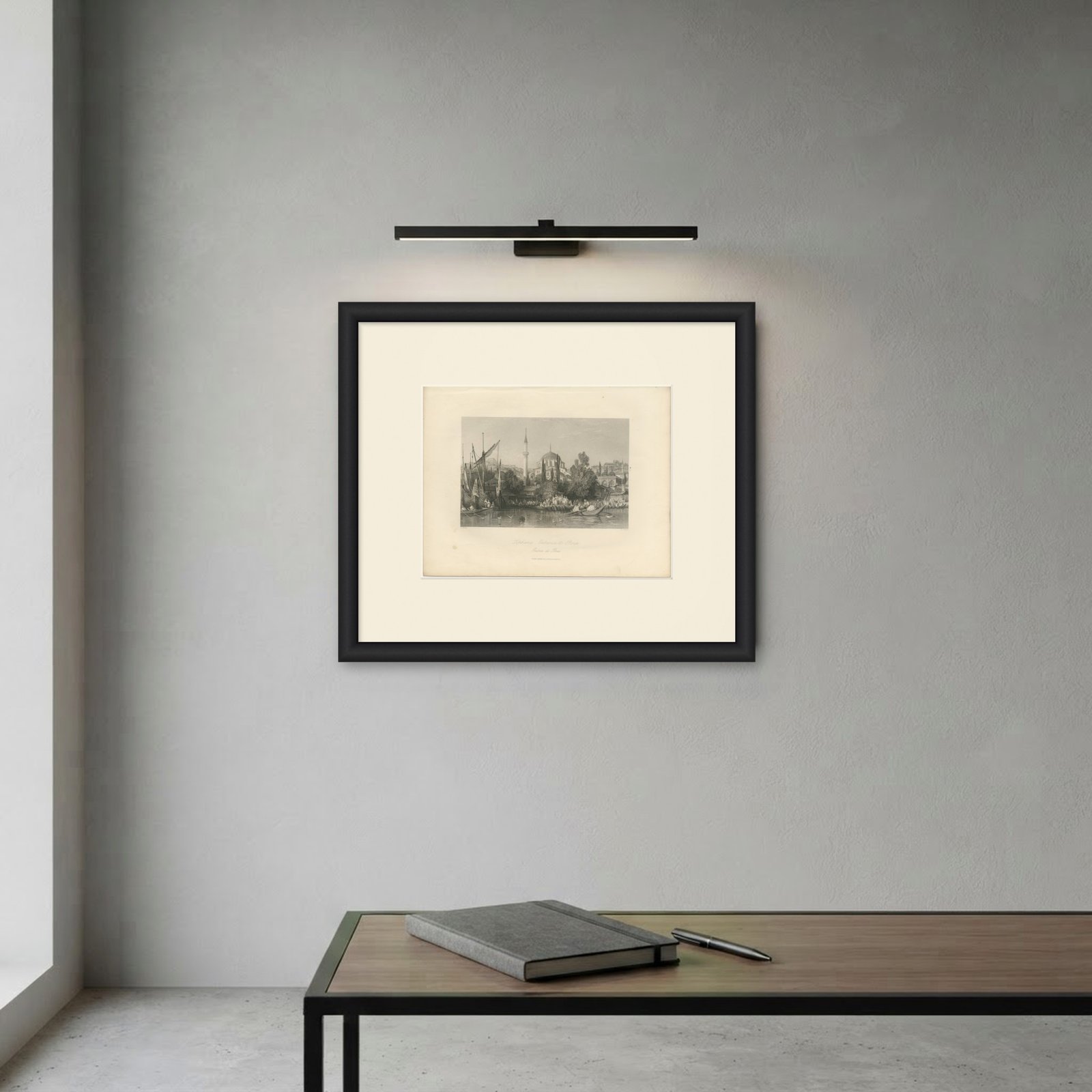
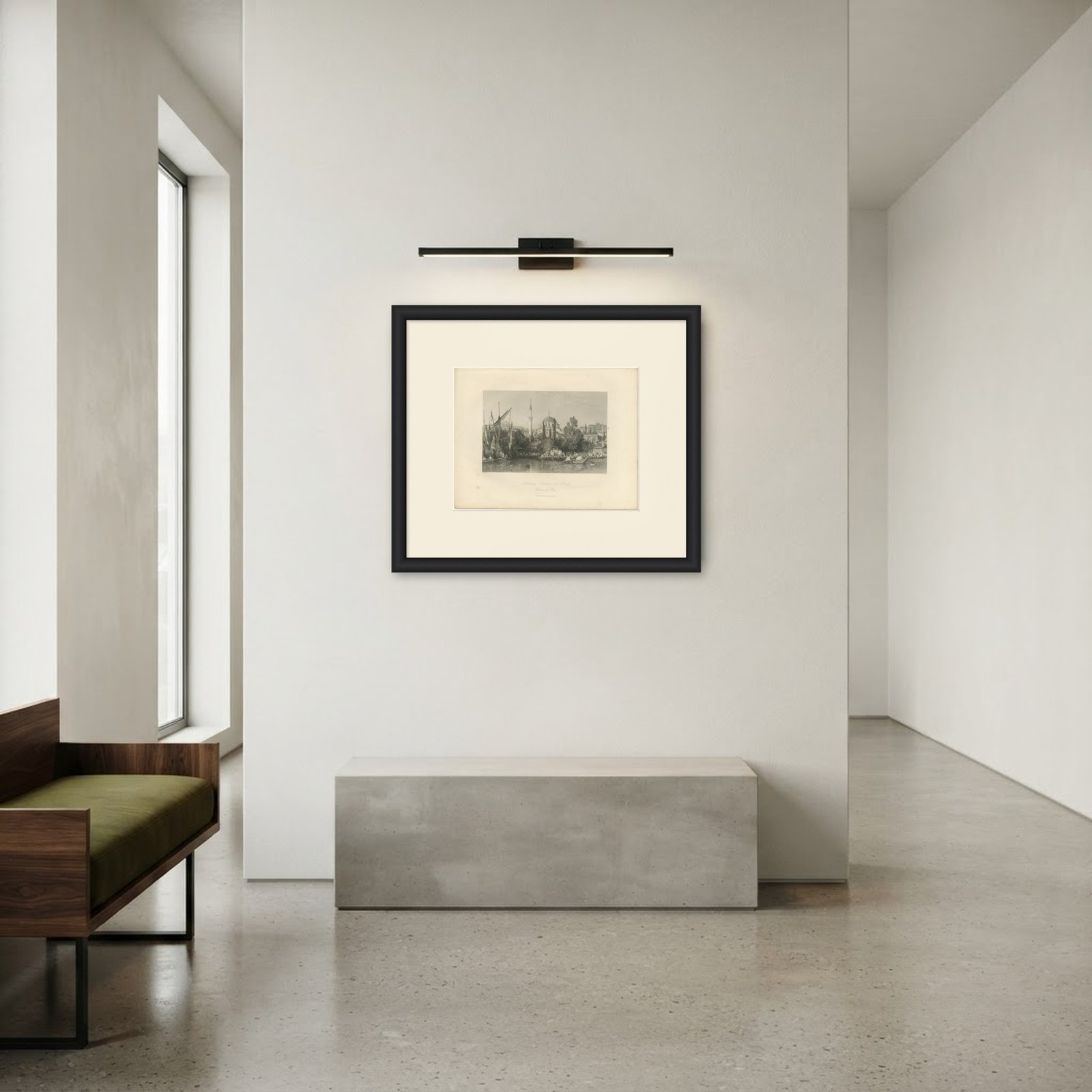
Frame and rooms are illustrations of how the piece could look; it is sold unframed unless the description says otherwise.
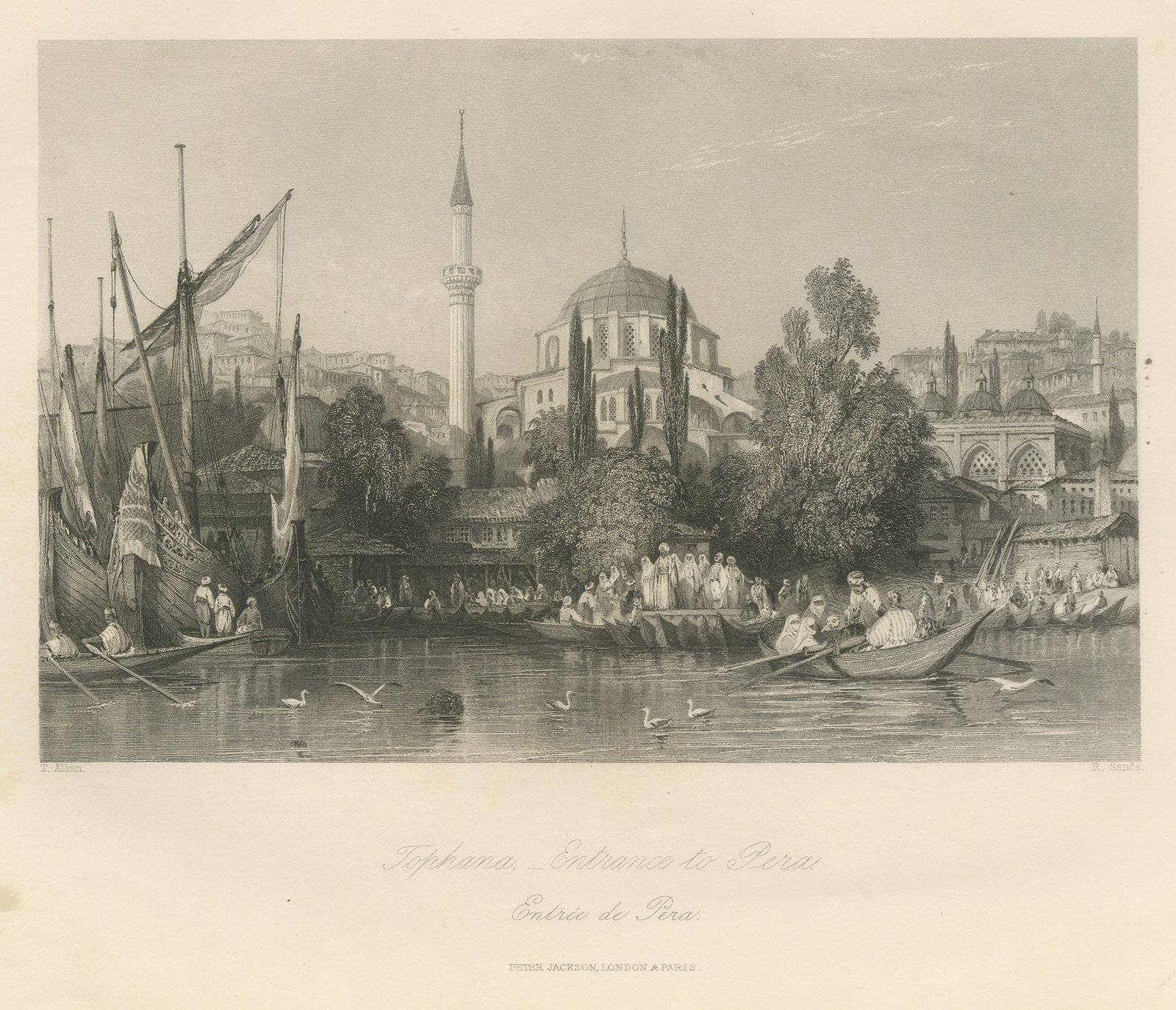
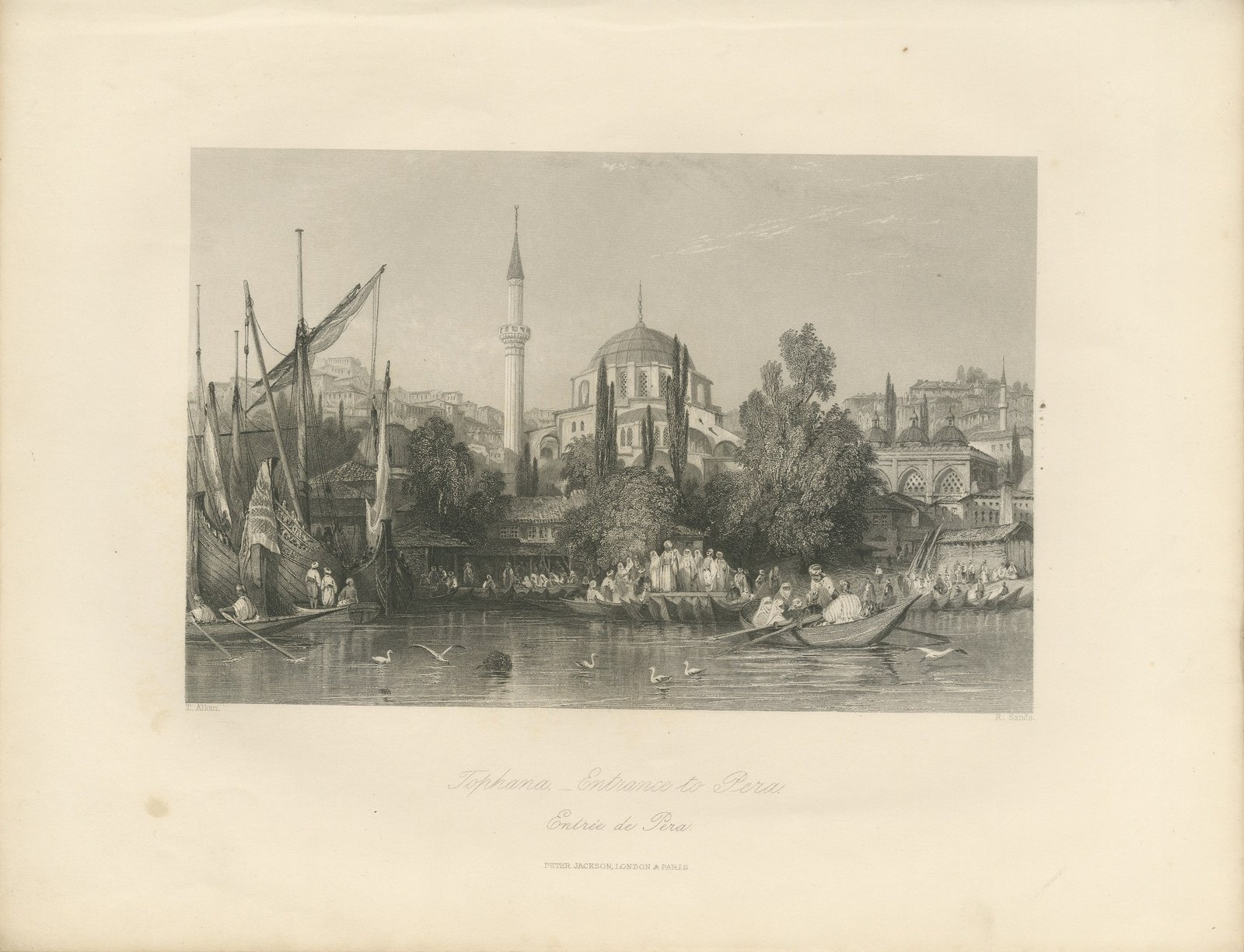
Tophana, Entrance to Pera, Antique Bosphorus Waterfront View, circa 1850
€235
$260 · £195
Original print, not a reproduction.
Ships worldwide from the Netherlands, flat or rolled, insured and tracked. 14-day returns.
- Date
- circa 1850
- Sheet size
- 8.3 × 10.6 in (21 × 27 cm)
- Technique
- Steel Engraving
- Coloring
- Uncolored
- Condition
- Good. Even age toning. Handling soiling along the bottom, left and right edges. A few small foxing spots in the margin. All four corners complete.
- Collection
- Harbours & ports
- Era
- 1850 and after, Steam and steel
- Stock no.
- BG-14186-2-8
What the condition grades mean
- Excellent
- Bright and clean, with no faults worth mentioning.
- Very good
- Only light signs of age, such as faint toning.
- Good
- Normal signs of age for a sheet of this period: toning, some foxing, small marks or neat old repairs.
- Fair
- Clear faults such as staining, tears or repairs, priced to match.
Every fault we see is written in the condition note, and the whole sheet is shown uncropped in the photos.
This original antique steel engraving, Tophana, Entrance to Pera, is a plate from the second volume of The Turkish Empire Illustrated, published in London by Peter Jackson about 1850. The sheet shows the waterfront at Tophana where travelers landed for Pera, the domed fountain and the mosque rising behind a crowded quay, masts and spars of moored craft cutting across the buildings and caiques pulling in to the steps.
This sheet was published in London about 1850 by Peter Jackson, late Fisher, Son and Company, in volume two of The Turkish Empire Illustrated. Thomas Allom traveled through Constantinople and Asia Minor making the original drawings, and Robert Walsh, who had served as embassy chaplain at the Porte, wrote the letterpress that accompanies them. The volume's own printed list of plates names this subject in the order the sheets were bound.
Tophana was the landing stage for the European quarter, so this is the first thing most nineteenth century visitors saw of Constantinople at close quarters. The great rococo fountain of Mahmud the First stands at the center of the composition and is still there. Each plate in the series carries the draftsman at the lower left and the engraver at the lower right, printed inside the plate mark, with the English title in script below and a French translation beneath it on most sheets, which is how the publisher sold the work on both sides of the Channel. The tonal gradation is the work of the burin alone, with no aquatint or added wash. Framed in gilt or in plain polished wood it suits a study, a library or a dining room, and it sits easily beside maps, marine prints and other nineteenth century travel material.
Even age toning. Handling soiling along the bottom, left and right edges. A few small foxing spots in the margin. All four corners complete.
This is an original antique print, not a modern reproduction. This item is sold unframed.