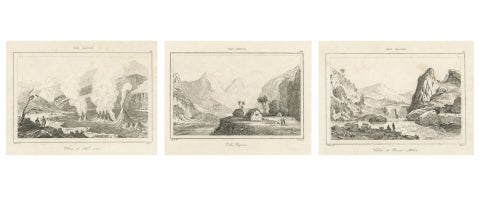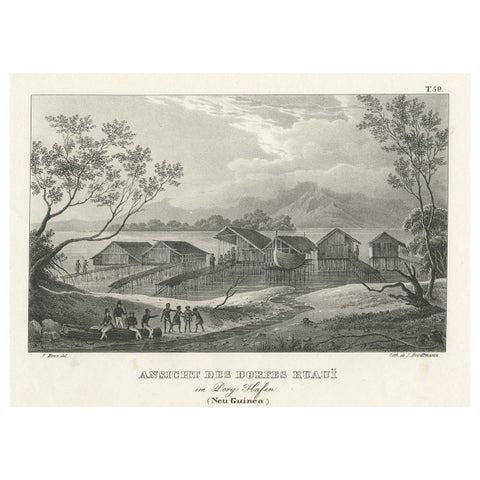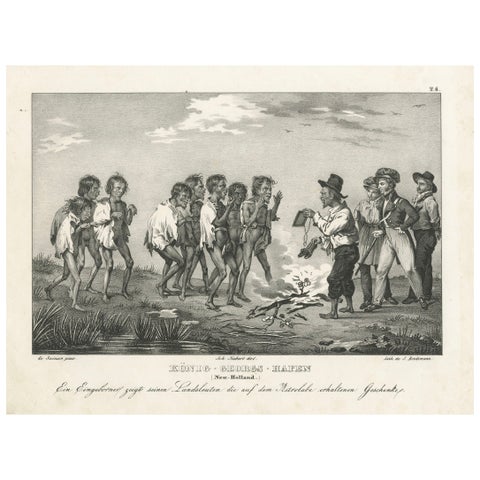
Close-ups
Framed and on the wall
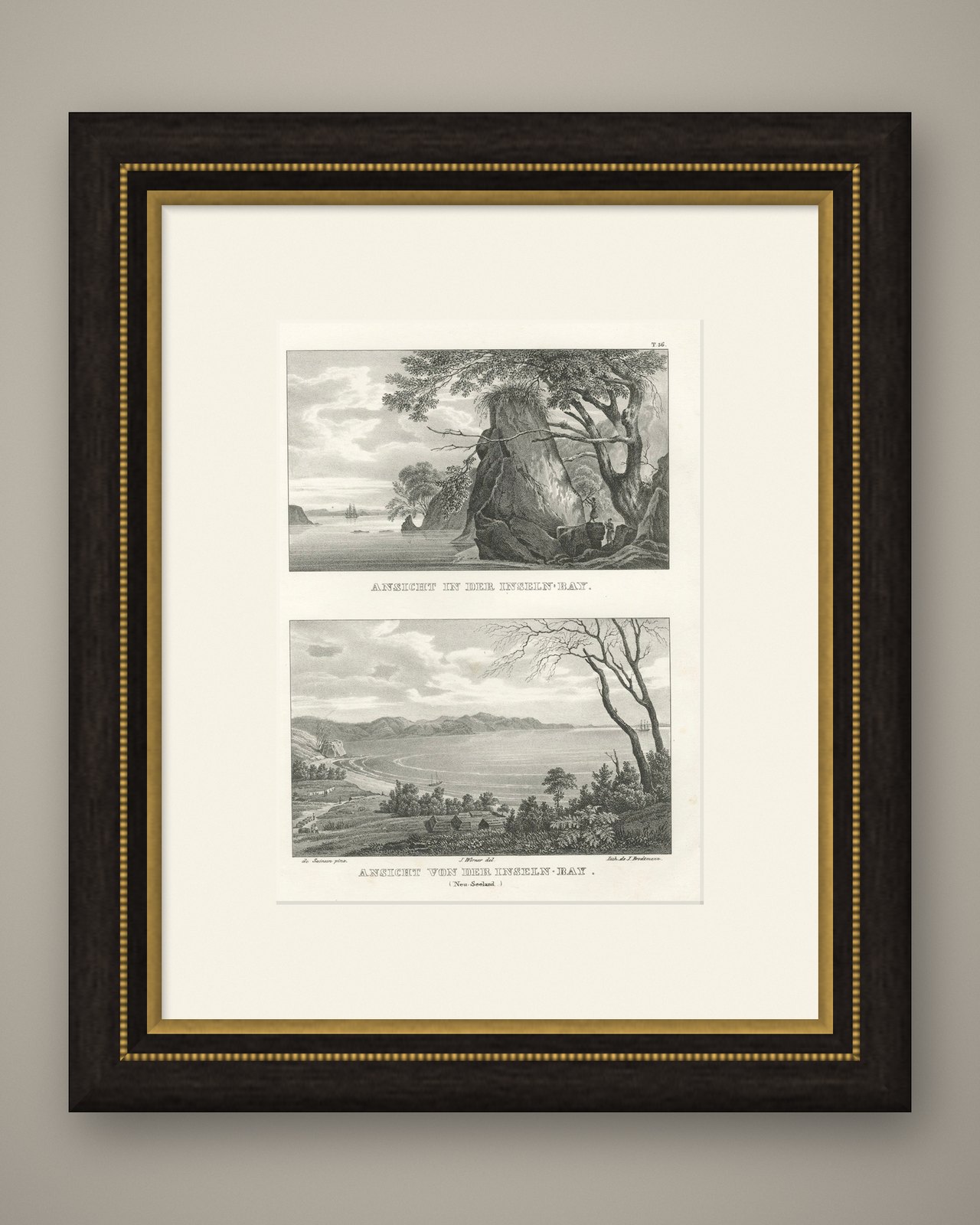
Frame and rooms are illustrations of how the piece could look; it is sold unframed unless the description says otherwise.
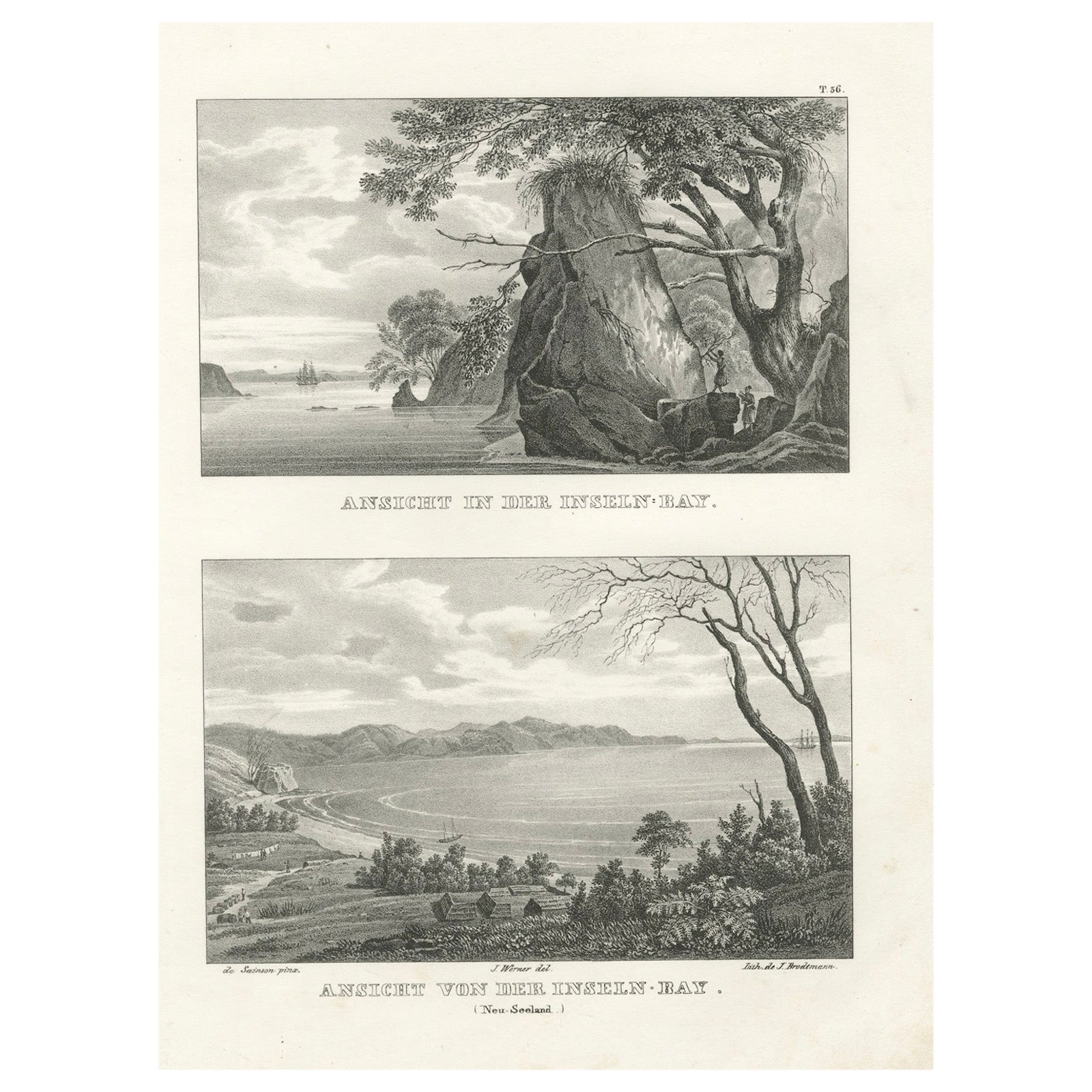
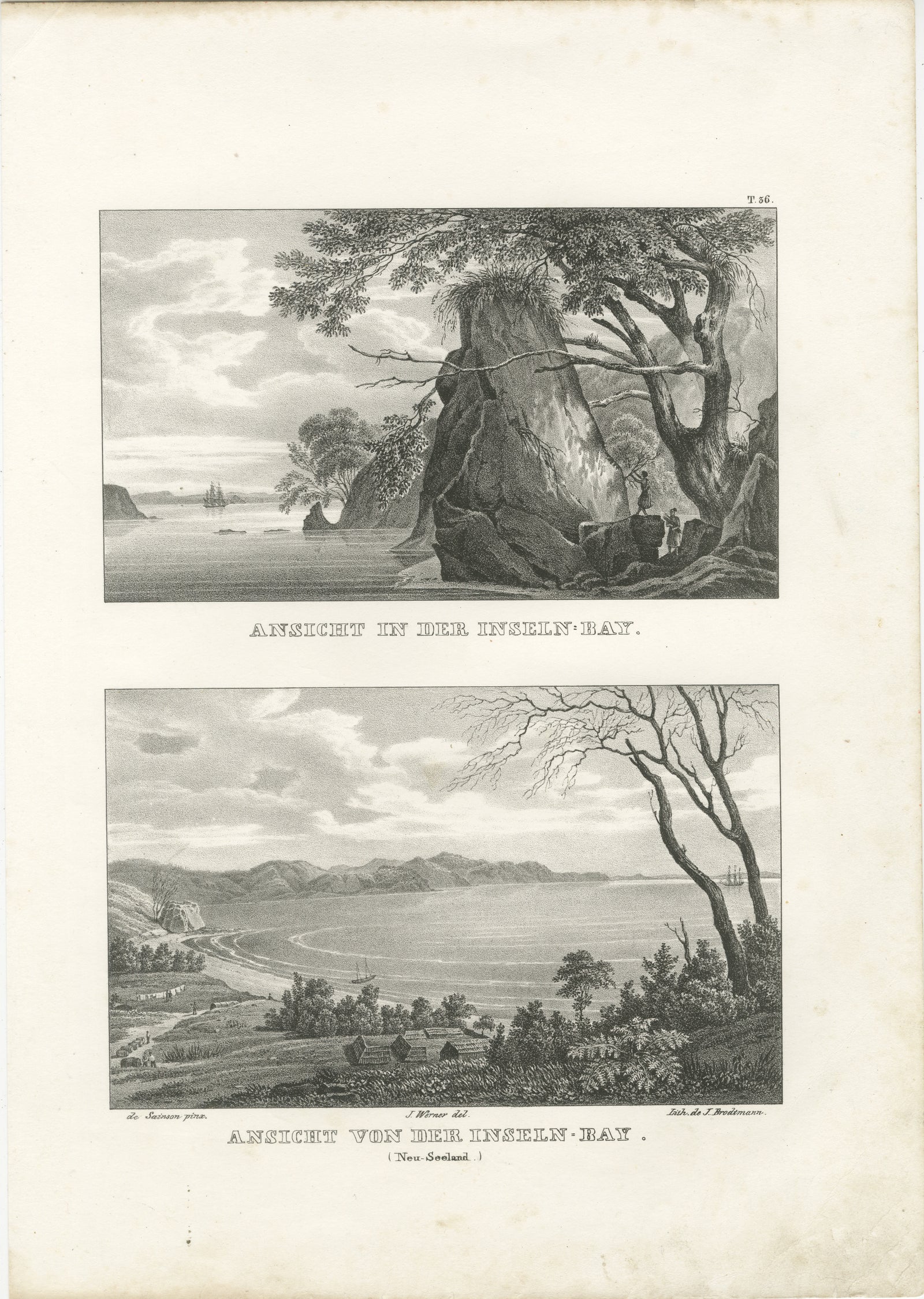
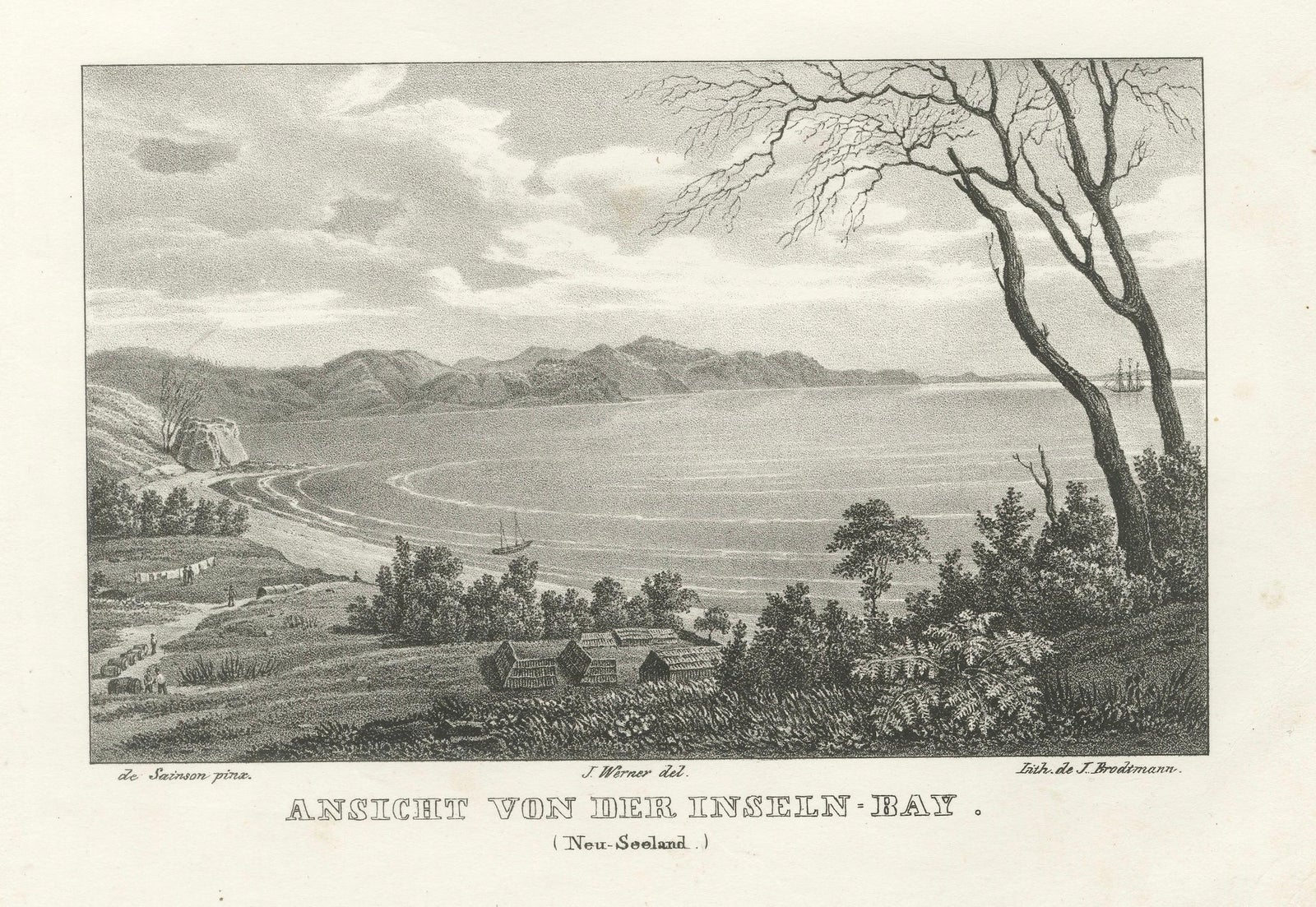
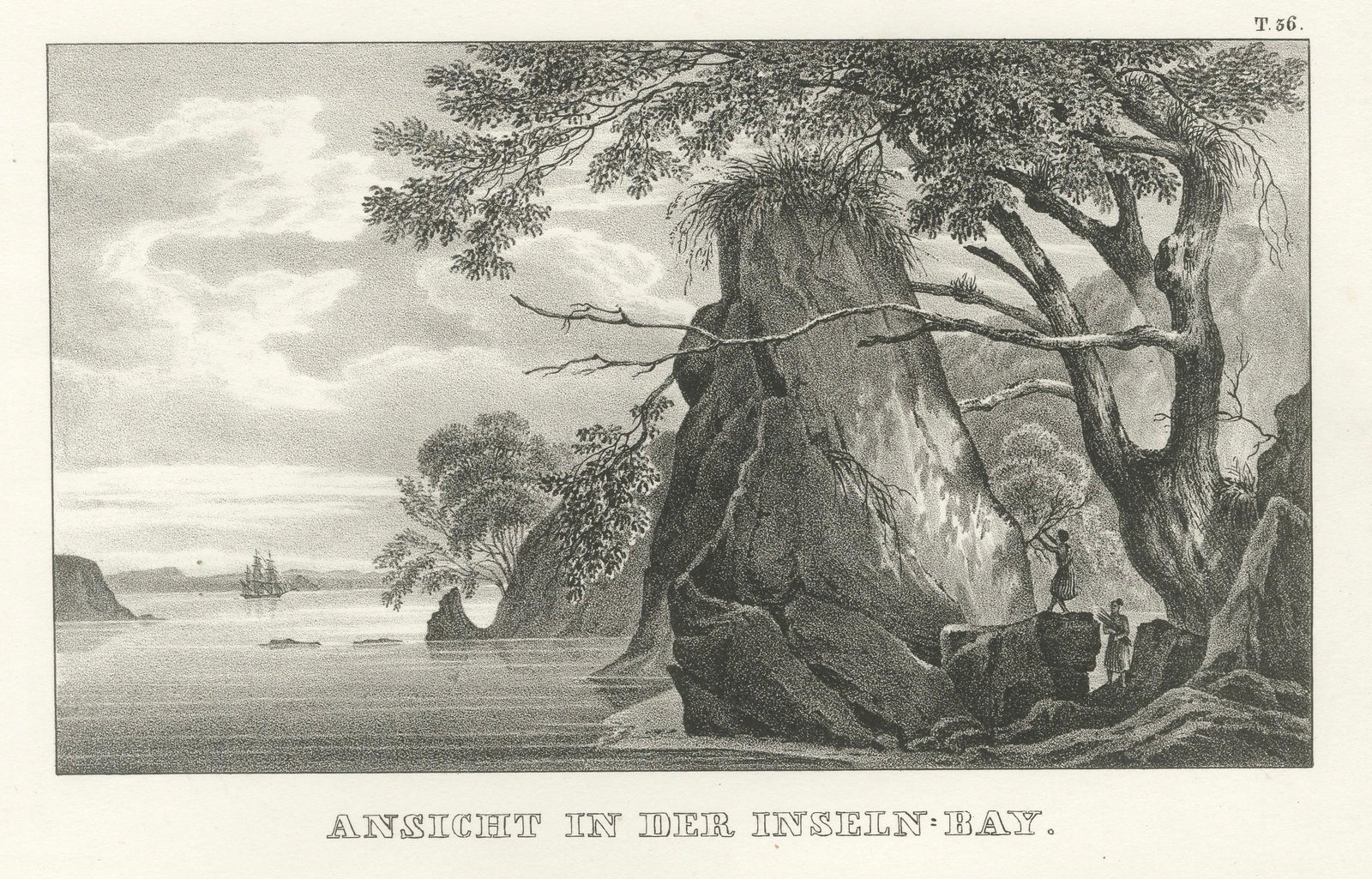
Scenic Views of Inseln Bay, New Zealand, from the Astrolabe Voyage, circa 1836
€230€16130% off
$175 · £135
Original print, not a reproduction.
Ships worldwide from the Netherlands, flat or rolled, insured and tracked. 14-day returns.
- Date
- 1836
- Sheet size
- 13.5 × 9.9 in (34.2 × 25.2 cm)
- Condition
- Good. Condition Report: Light foxing and toning along the margins; slight handling wear. Overall, the print is well-preserved with sharp details and rich contrast. Please study the images carefully.
- Collection
- Voyages of discovery
- Era
- 1790 to 1849, Age of sail
- Stock no.
- BG-14025-28
What the condition grades mean
- Excellent
- Bright and clean, with no faults worth mentioning.
- Very good
- Only light signs of age, such as faint toning.
- Good
- Normal signs of age for a sheet of this period: toning, some foxing, small marks or neat old repairs.
- Fair
- Clear faults such as staining, tears or repairs, priced to match.
Every fault we see is written in the condition note, and the whole sheet is shown uncropped in the photos.
Scenic Views of Inseln Bay, New Zealand, from the Astrolabe Voyage, circa 1836
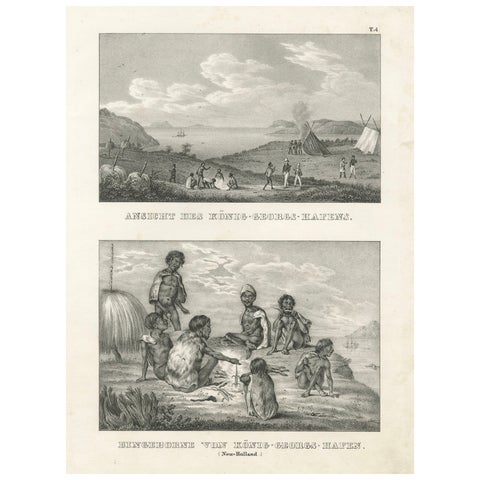
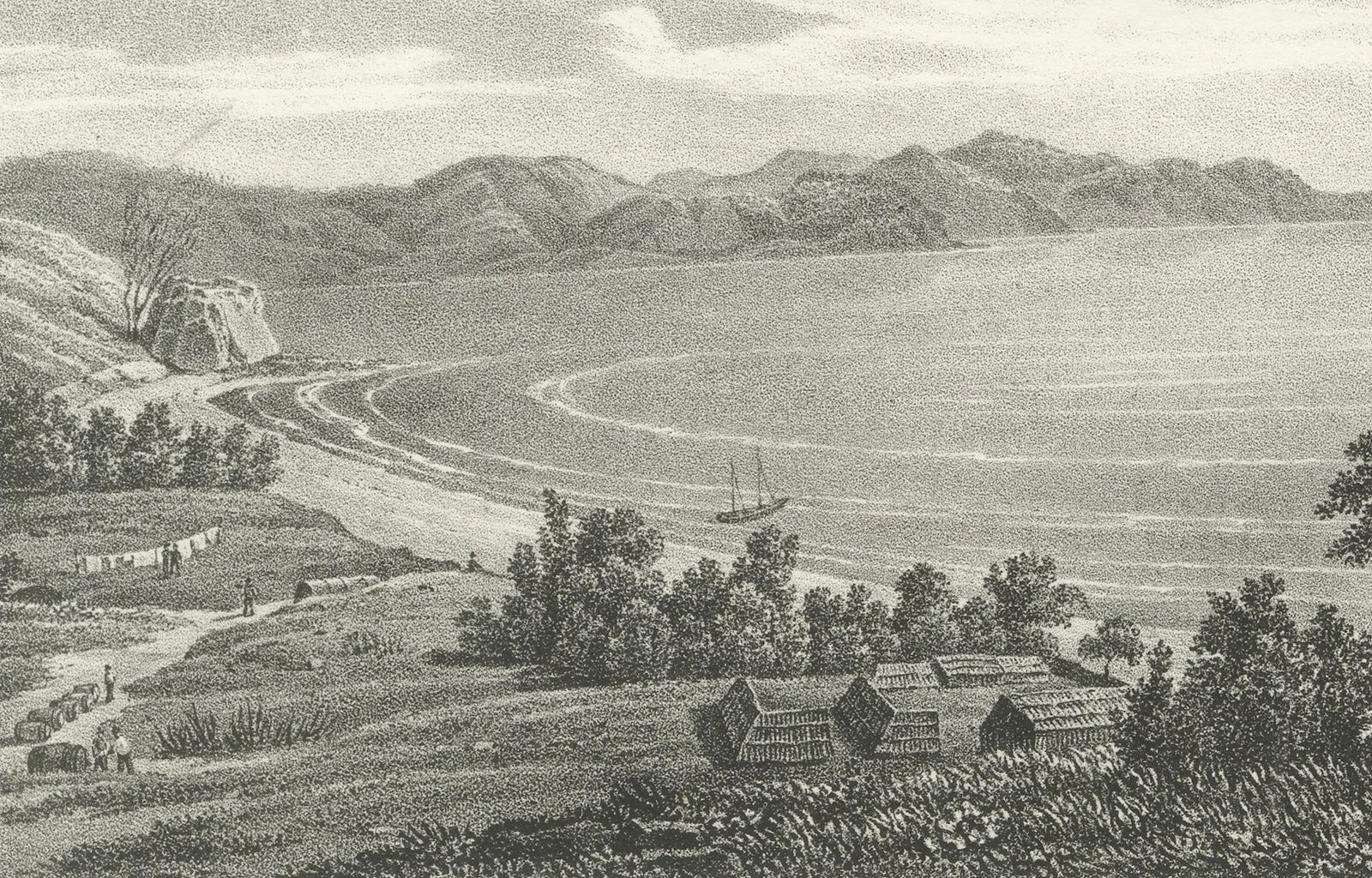
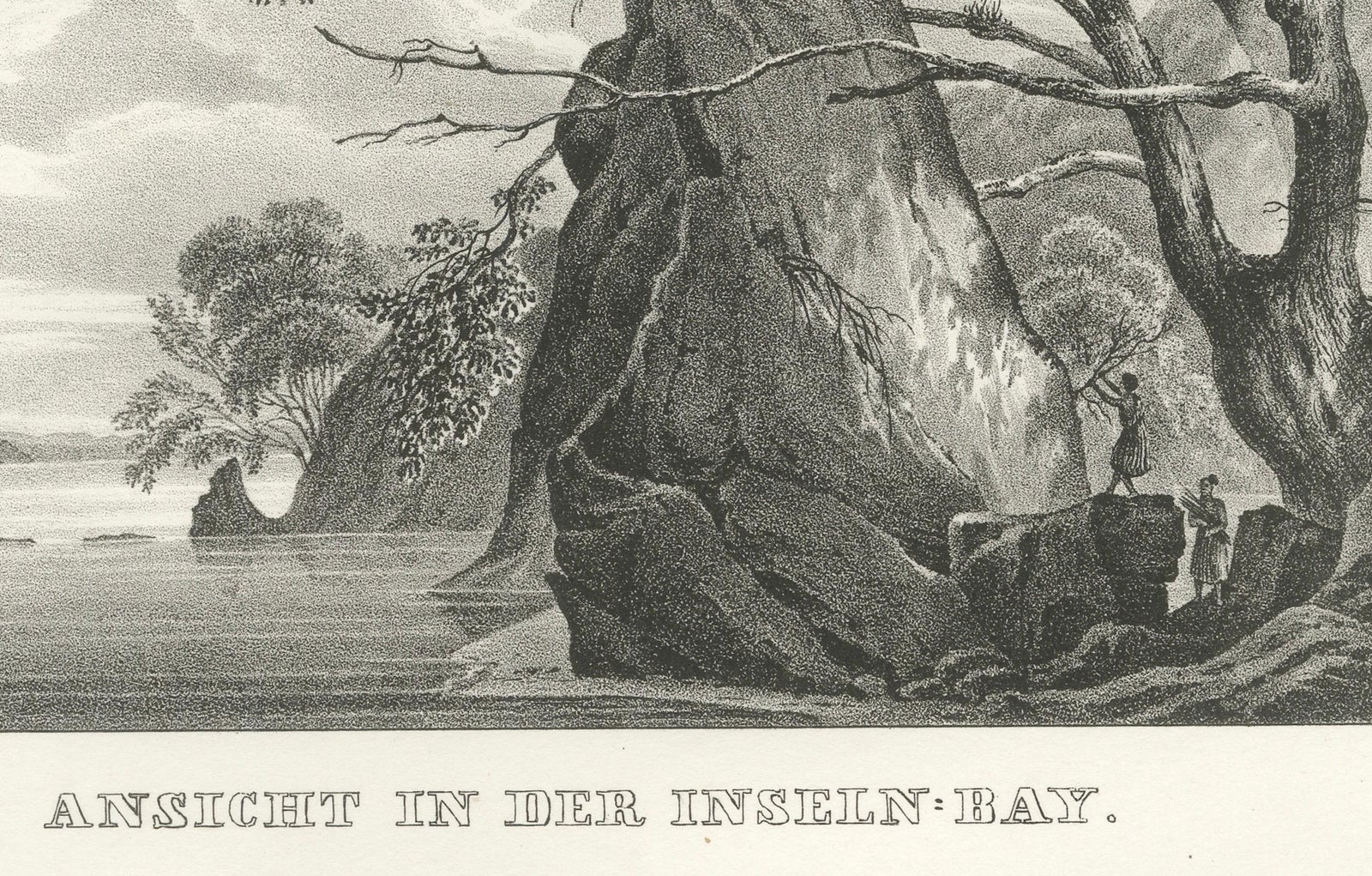
This engraving offers two captivating perspectives of Inseln Bay, New Zealand, as seen through the eyes of the early European explorers of the Astrolabe voyage. The top image showcases a dramatic coastal scene with towering rock formations framing the bay. A ship can be seen anchored in the calm waters, while a figure onshore surveys the breathtaking scenery. The foreground’s rich vegetation creates a sense of depth, while the ship reminds us of the voyages that brought these landscapes to European attention.
The lower image takes on a more serene quality, highlighting the rolling hills and sweeping shoreline of the bay. Small settlements are nestled along the coast, with cultivated fields and clear evidence of habitation. The juxtaposition of untouched wilderness and early human activity speaks to the interaction between indigenous cultures and European exploration during this period.
What makes this print particularly interesting is its role as both an artistic and historical record. Created during an era of heightened European exploration, this engraving captures not only the natural beauty of New Zealand but also the perspective and priorities of the European visitors. It is a remarkable artifact of cultural exchange, offering insights into both the land and the colonial mindset of the time. The detailed rendering of vegetation, topography, and human activity exemplifies the skill and dedication of the artist and engraver.